Be built (to last).
The right supplements can help you recover naturally and build a resilient body.

Supplement Quiz
Take this short quiz to discover the perfect supplements for your needs and goals.
About SaltWrap

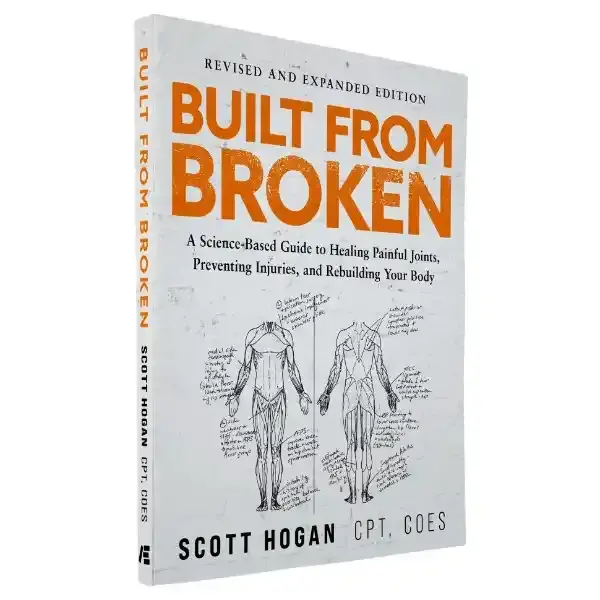
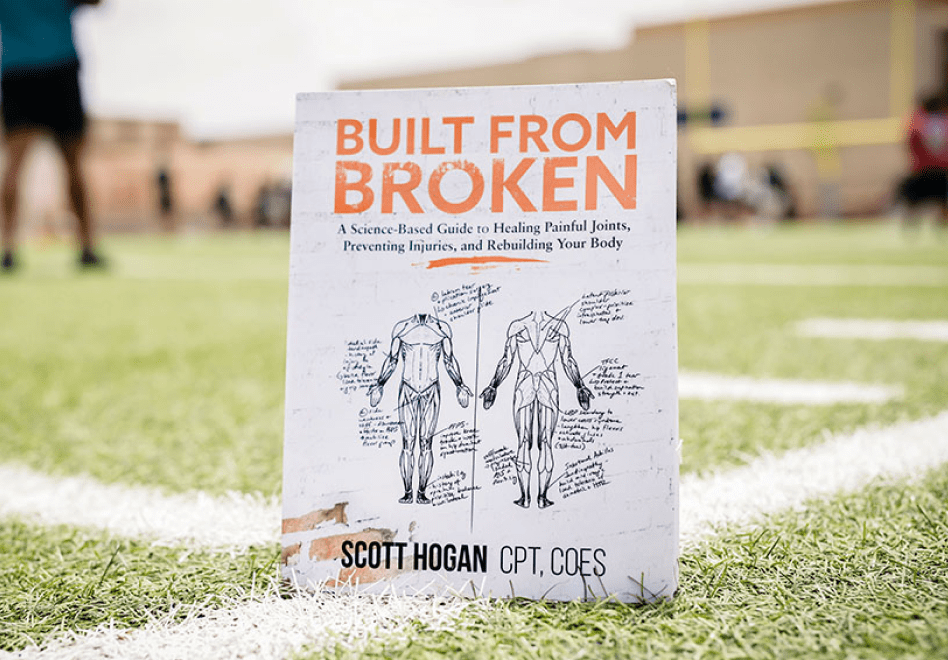
Built from Broken
Get the best-selling book from SaltWrap founder, Scott Hogan, and start rebuilding today.
10 Simple Ways to Reduce Total-Body Inflammation

by Scott Hogan, ACE-CPT, COES
When most people think of inflammation, they tend to imagine pain or swelling around an injury. This type of inflammation, known as acute inflammation, is a natural and beneficial response to injury that signals our bodies to begin the healing process.
But there’s another type of inflammation — chronic or total-body inflammation — that is very different.
Total-body inflammation is typically caused by lifestyle factors like stress and poor diet. And unlike acute inflammation, which is part of the body’s natural healing process, total-body inflammation works against us.
When total-body inflammation is left unresolved, it can lead to performance-robbing symptoms like joint and muscle pain, fatigue, brain fog, and digestive issues.
The good news is that there are some easy steps you can take today to fight back.
Here are 10 simple ways to reduce total-body inflammation.
10 Simple Ways to Reduce Total-Body Inflammation
1. Lose Weight
Whether you modify your diet, exercise routine, or both, losing weight will help lower resting inflammation levels.
2. Avoid NSAIDs
Using non-steroidal anti-inflammatory drugs (NSAIDs) or any other anti-inflammatory drugs can make your body dependent on them to keep inflammation down. When you stop taking them, you can experience a rebound of inflammation. If you're looking for some natural alternatives for NSAIDs, here are three of the best to start with.
3. Reduce Carbohydrate Intake
Carbohydrates are not the enemy. However, studies link higher carbohydrate intake (especially refined carbohydrates) with higher levels of inflammation.1 Plus, following a low-carb diet may help with injury recovery. And that goes along with my next strategy…
4. Follow a Low-Inflammation Diet
Avoid refined or ultra-processed carbohydrates, seed oils, trans fats, and hydrogenated fats. One of the easiest ways to do this is to follow a whole-food diet where about 80% of the food you eat is either in its natural state (like a baked sweet potato) or minimally processed (like frozen mixed berries). I wrote this article that simplifies the anti-inflammatory diet.
5. Get Moving
A 2017 study published in the journal Brain, Behavior, and Immunity found that just 20 minutes of exercise lowered certain inflammatory markers by 5%. It doesn’t have to be a high-intensity workout, either. This study found that a simple 20-minute walk can produce a significant anti-inflammatory effect.2
6. Get More Sleep
Poor sleep has been linked with higher levels of inflammation. A study published in The Journal of Immunology found that even a single 24-hour period of sleep deprivation in otherwise healthy, active people raised certain inflammatory markers to levels observed in obese and chronically inflamed individuals.3 If you want to get better sleep, you can start with these three daily drink swaps.
7. Try Flow-Based Mobility Training
Flow-based mobility training, like yoga, can help lower inflammation. This isn’t just about getting active. This type of training may also help lower cortisol, which can have an anti-inflammatory effect.
8. Bathe in a Sauna
Research shows that people who bathe in a sauna have lower levels of C-reactive protein, which is a marker linked to total-body inflammation.4
9. Use Cold Therapy Intelligently
Cold therapy, like sitting in a cold plunge, can be a valuable recovery tool when used properly. But you don’t want to use it immediately after a workout. Your body needs a certain amount of inflammation after training to kickstart the healing process. Instead, wait at least an hour after exercising before hopping in a cold plunge.
10. Take Proven Anti-Inflammatory Supplements
These include fish oil, turmeric, Boswellia, and type-II collagen. There are more than just these four, of course. (You can read about some of them HERE.) But these four are science-backed and generally well-tolerated.
Final Thoughts
You don’t need to tackle everything on this list in one shot. But if you try a few of these tips today, you may notice your overall inflammation coming down.
How will you know this?
Watch for a few key signs. These include improved energy levels, reduced resting pain levels, and how quickly you recover from exercise and other physical activity.
One more thing: If you want the science-backed blueprint for rebuilding your body pain-free, check out my award-winning, bestselling book, Built from Broken.
In it, I give you the complete system for healing joint pain, building resilience, and coming back stronger.
When you utilize the science-backed principles and workouts in Built from Broken — including more strategies for lowering inflammation naturally — you'll have virtually everything you need to build lasting resilience and optimal performance.
Click the button below to learn more.