
Be built (to last).
The right supplements can help you recover naturally and build a resilient body.

Supplement Quiz
Take this short quiz to discover the perfect supplements for your needs and goals.
About SaltWrap
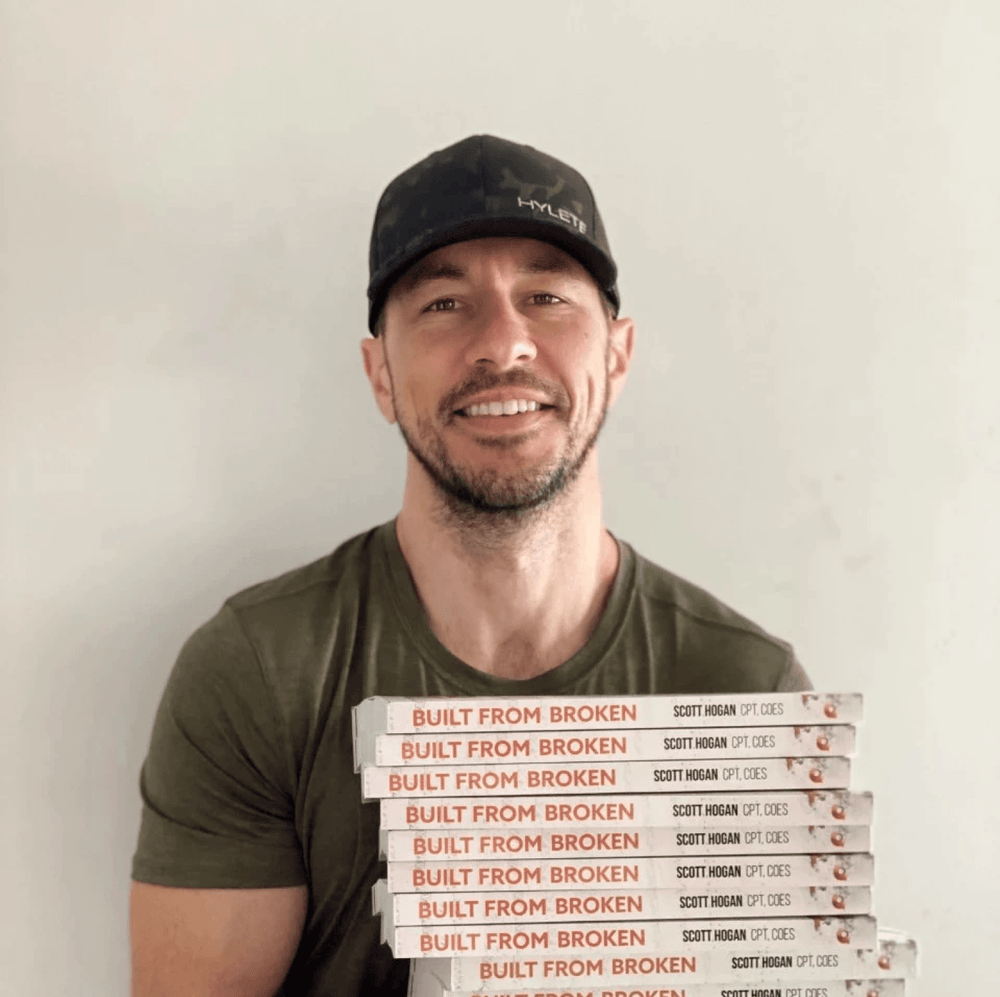
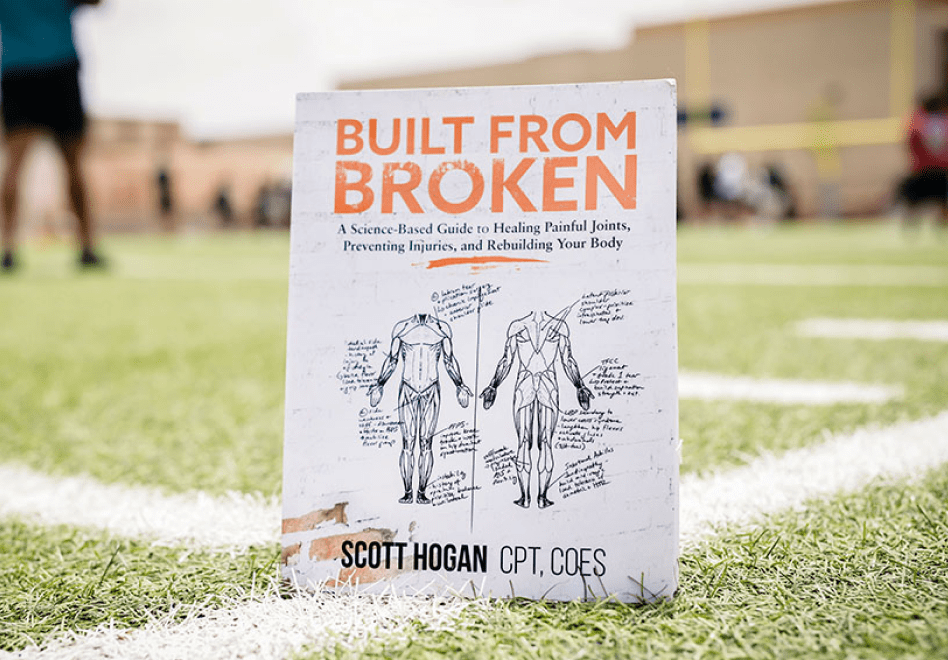
Built from Broken
Get the best-selling book from SaltWrap founder, Scott Hogan, and start rebuilding today.
Built from Broken Official Book Summary (By the Author, Scott Hogan)
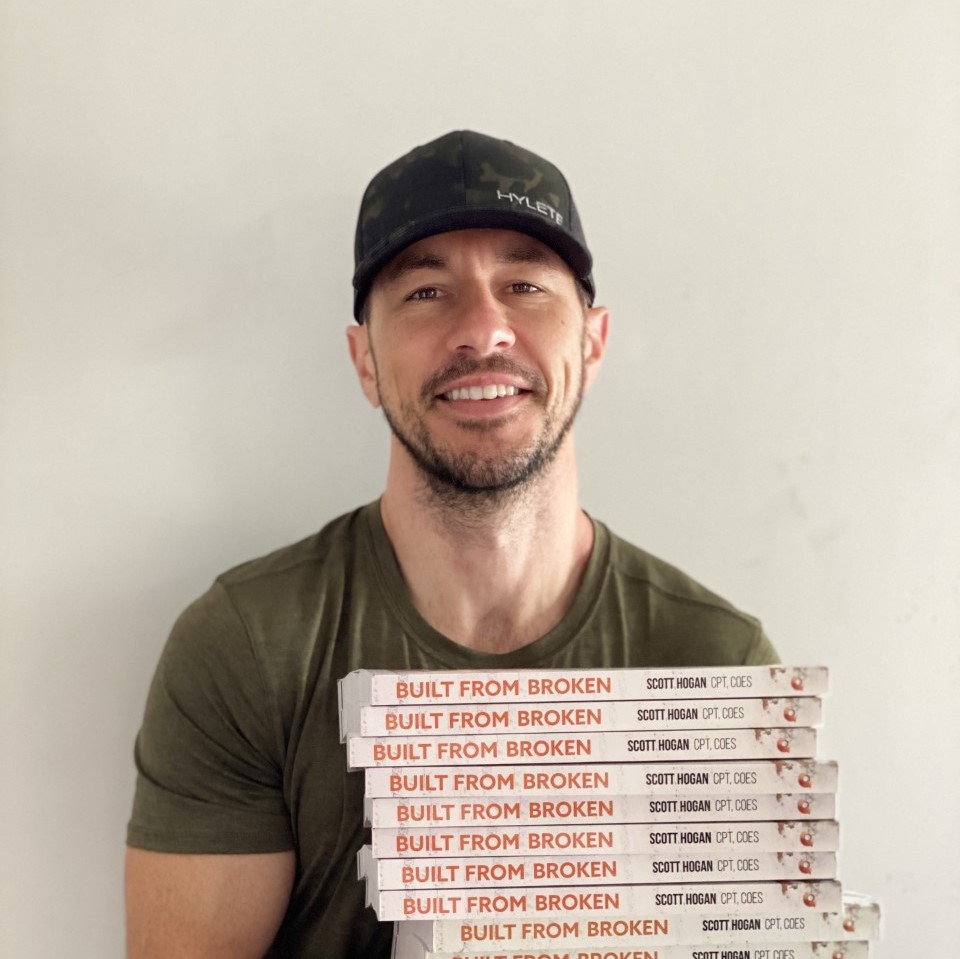
by Scott Hogan, ACE-CPT, COES
I’m often asked to summarize what Built from Broken is about. While there are some book review sites out there that can give you a general summary, I haven’t found any that I believe pull out the key points and properly summarize what Built from Broken is.
So, I put together an article for anyone interested in getting a general summary or revisiting key takeaways from Built from Broken.
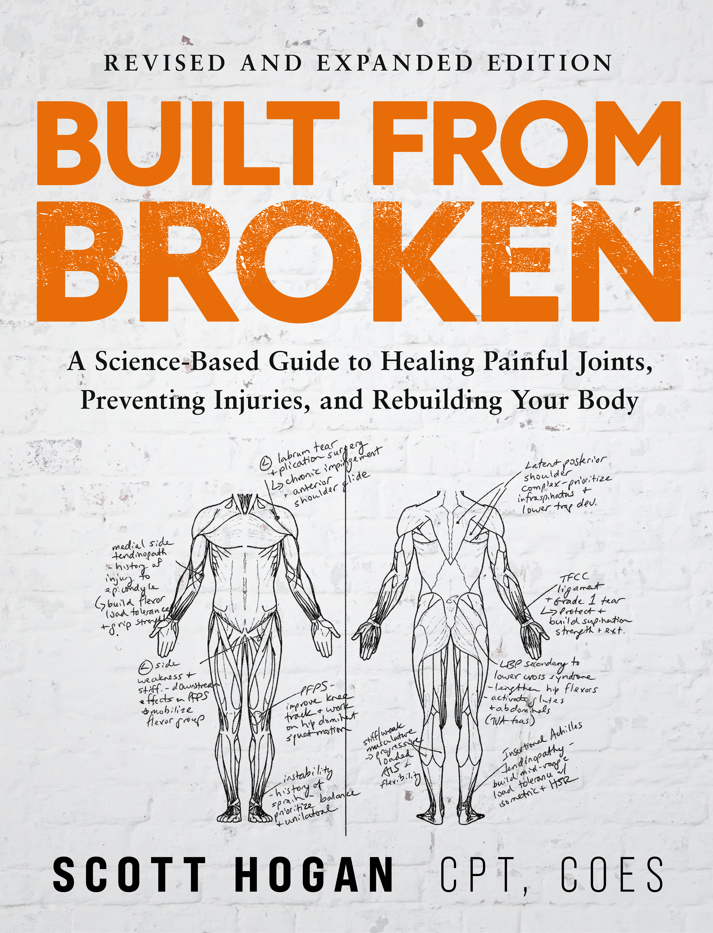
Built from Broken Summary in 3 Sentences
Built from Broken by Scott Hogan is a science-based guide to understanding and rebuilding your body after injuries and nagging pains.
Instead of chasing quick fixes, it teaches readers how to restore joint function, build resilient connective tissue, and train smarter for long-term health and performance.
Built from Broken focuses on fundamental principles, not surface-level tips, in the categories of corrective exercise, pain management, lifestyle design, posture, nutrition, mobility, and exercise programming.
The Core Message of Built from Broken: How to Rebuild Your Body
Built from Broken blends cutting-edge sports science with practical strategies for overcoming pain, injuries, and training plateaus. Drawing from research in biomechanics, strength training, and tissue adaptation, the book simplifies complex rehab and fitness concepts into actionable steps anyone can follow — from weekend warriors to experienced athletes.
It’s not a “quick-fix” pain relief book, nor is it merely a prescriptive exercise plan. It’s a framework for rebuilding your body from the inside out — addressing the root causes of joint dysfunction and pain — not just the symptoms.
But what the book is really about is the idea that you can use your past injuries, failures, pain, and obstacles as the raw material for rebuilding a stronger, more resilient version of yourself.
As I say in the introduction, Built from Broken doesn’t just mean "rebuilt." It means rebuilding from your broken parts.
This is both psychological and physiological — meaning that it will open your eyes to a different way of looking at what you’ve been through, and that you can quite literally rebuild the scaffolding of your body stronger than it was before all those injuries, limitations, and pains cropped up.
4 Key Takeaways from Built from Broken for Joint Relief, Injury Recovery, and Pain-Free Movement
Key Takeaway #1: The 5 Primary Causes of Joint Pain
If your body is a kinetic chain, these five areas are the links most likely to fail and cause pain:
1. Posture
The baseline position of your body determines how every joint loads. Poor posture creates friction, stress, and unnecessary tension throughout the chain. Posture matters because it’s what you do 95% of the time, while exercise may only account for 1-5% of your total time spent each day.
2. Movement Quality & Variation
Repeating the same patterns (especially with poor mechanics) overloads specific joints while under-training others. Movement variety is one of the most underrated tools for building resilient joints.
3. Muscle Imbalances
When stabilizers fall behind or asymmetries develop in your musculature, joints lose alignment and become vulnerable. Fixing muscle imbalances will stop the downward cycle of imbalance that leads to tissue overload and injuries.
4. Tendinopathy
Tendons are the most frequently injured joint structure. And tendinopathy is the most common tendon pathology. Learning how to address and prevent tendinopathy is the most valuable education you can give yourself for staying healthy long-term.
5. Natural Collagen Breakdown
Wear-and-tear is natural — but with smart training and targeted nutrition support, you can dramatically slow this process and often improve joint function.
Key Takeaway #2: How to Train for Joint Health: Smarter Exercise for Stronger Connective Tissue
Most fitness programs focus on muscle strength, muscle building, or muscle endurance. But injuries often occur in the tissues between muscles — the tendons, ligaments, and fascia that connect everything together.
When these tissues break down, no amount of stretching or foam rolling will fix the problem.
To truly become injury-resistant, you must strengthen your connective tissue system through intelligent load training, building neuromuscular control, and properly balanced movement and nutrition routines.
“You don’t get injured because you’re weak. You get injured because something that supports your strength stopped working.”
Key Takeaway #3: Pain Is a Messenger (Learn to Listen)
Pain isn’t random — it’s your body’s language for dysfunction and imbalance.
Suppressing pain with medication or rest often delays healing. Listening to it, identifying its pattern, and addressing the underlying cause leads to real progress.
By redefining pain as feedback, you shift from fear and avoidance to understanding and repair.
Instead of focusing on pain relief, which is typically relief of symptoms only, focus instead on fixing the root cause of that pain.
Key Takeaway #4: Long-term Performance Depends on Strengthening the Weakest Links
Your body is a kinetic chain — and it can only perform as well as its most vulnerable segment.
A training program that identifies and improves your weakest links will produce the fastest — and most sustainable — improvements in performance and pain relief.
This is constraint theory in practice. By focusing on your weakest link, you will strengthen the entire kinetic chain.
Modern training culture skips the fundamentals and piles intensity on top of dysfunction, creating a cycle of compensation, plateaus, and injuries.
Most people only use corrective exercise and therapeutic principles when they are in pain or recovering from an injury. But when you weave these practices into your daily and weekly routines, you’ll make improvements faster — and ward off injuries and joint dysfunction.
7 Concepts in Built from Broken That May Surprise You
1. Stretching Doesn't Work
The research on stretching is bleak. Not only does it provide little benefit for injury prevention or pain relief, but some studies show that stretching before exercise can increase injury risk.
Focusing on dynamic movements instead of static stretching is a time-saver that also improves movement quality — without boring, ineffective static stretching routines.
2. Slowing Down Your Repetition Speed Is the Most Effective Way To Heal and Prevent Injuries
Deliberately slowing down repetition speed during resistance training helps realign damaged collagen fibers, increases connective tissue stiffness, and makes your joints more resilient.
This is one of the most fundamental principles for building strong joints — yet very few people use it.
3. There Are Two Proven Types of Collagen Supplements
-
Type II collagen supports a healthy inflammation response.
-
Collagen protein (Types I & III) supports structural rebuilding of connective tissue.
Both can help — but the quality varies wildly in the market, so it’s important to choose the right kind.
4. Movement Variety Is the Most Under-Leveraged Pain Relief and Injury Prevention Technique
Your body thrives on exposure to new and novel movement patterns. Movement variety delivers healthy stress from multiple angles, stimulating tissues to adapt, recover, and become more resilient over time.
The more movement options you have, the more protected you are.
5. Fixing the 3 Big Pain Points Solves 90% of Joint Problems
If you master the fundamentals of building resilience in your low back, knees, and shoulders, you’ll help prevent most common pain issues.
These three areas are the most common sources of dysfunction — and the most responsive to targeted corrective exercise.
6. Ice and NSAIDs Make Injuries Worse
Using NSAIDs — like ibuprofen and naproxen — or icing as your go-to treatment modalities for injuries is one of the most damaging ideas to enter sports medicine.
These methods reduce necessary (good) inflammation, slow tissue remodeling, and can interfere with the body’s natural healing process.
7. Corrective Exercise Builds Strength Faster Than Traditional Lifting
Counterintuitively, the more time you spend on corrective exercise, the faster you’ll build real, functional strength. It’s also far more rewarding because improvements tend to happen quickly and dramatically — not just incrementally.
The Built from Broken Action Plan: How to Rebuild Joints and Establish Pain-Free Movement
Built from Broken provides a step-by-step framework for addressing the root causes of pain, improving movement, and rebuilding stronger tissue.
Instead of merely addressing pain (symptoms), focus on these five principles:
1. Get Inflammation Into a Healthy Range
Elevated inflammation stalls recovery and weakens connective tissue. Nutrition, rest, and stress management create the foundation for healing.
While inflammation is necessary for healing and proper recovery, we want to avoid foods and lifestyle choices that can cause elevated systemic inflammation.
2. Correct Muscle Imbalances
Identify and address muscular asymmetries, mobility restrictions, and faulty movement patterns before repetitive-use injuries happen. You might be surprised by how fast you can build strength and improve performance merely by fixing the imbalances holding you back.
3. Rebuild Connective Tissue
Use tempo-based resistance, isometrics, and controlled loading to strengthen tendons and ligaments — not just muscles. By using proven methods like HSR (heavy slow resistance training), you can rebuild damaged tendons and forge resilient, injury-proof joints.
4. Add Movement Variety
Your joints thrive on diverse, high-quality movements. Reintroducing variation — different angles, tempos, ranges, and patterns — restores healthy mechanics and helps retrain the nervous system to move efficiently.
The goal isn’t just to move more, but to expand how you move.
5. Build Foundational and Functional Strength
Your goal is to build foundational and functional strength — the type of strength and movement proficiency that translates directly into your ability to use your body however you want, in training and in life.
Functional fitness isn’t about doing odd or trendy exercises. It’s about creating a body that can move without limits.
The Most Important Infographics and Models in Built from Broken
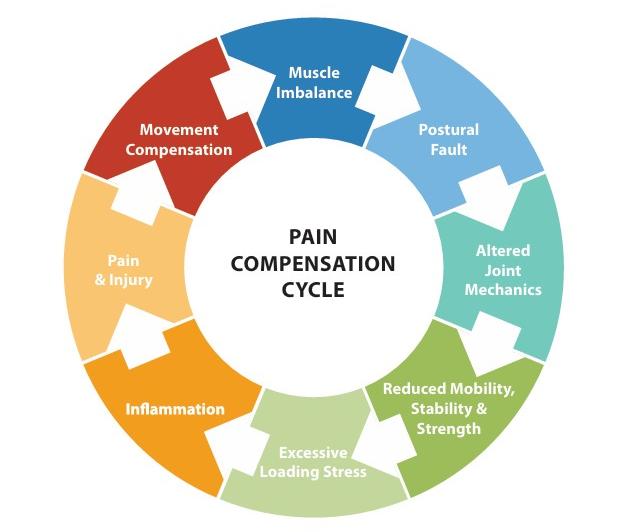
Figure 1.4: Pain-Compensation Cycle
The Pain Compensation Cycle reveals how limited movement — and movement compensations — accelerate joint degeneration. Understanding it is key to breaking the pattern.
The Numerical Rating Scale gives you a clear guide for knowing when it’s safe to move through pain and when you need to stop or modify the exercise.
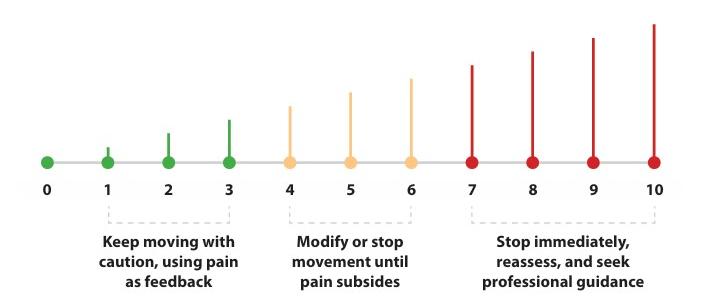
Figure 2.1: Numerical Rating Scale (NRS)
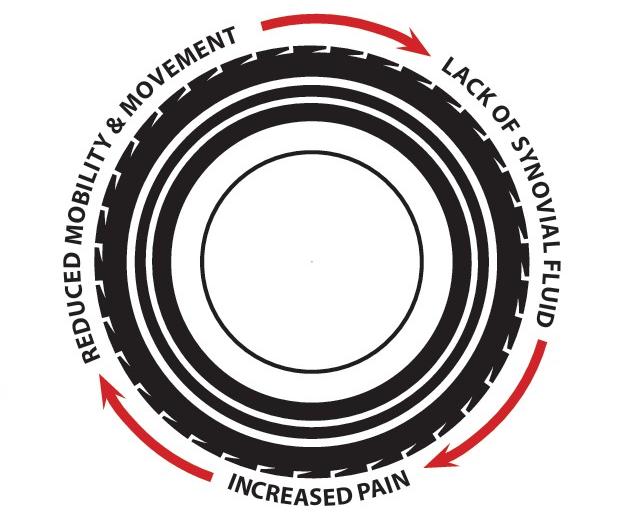
Figure 3.3: SF Pain Feedback Loop
The Synovial Fluid (SF) Pain Feedback Loop shows how stiffness reduces joint lubrication, which further limits mobility and creates a self-reinforcing cycle of joint stiffness and discomfort.
This graph highlights how modern, time-saving technology has reduced daily movement and natural movement variety — two essential components for resilient joints.
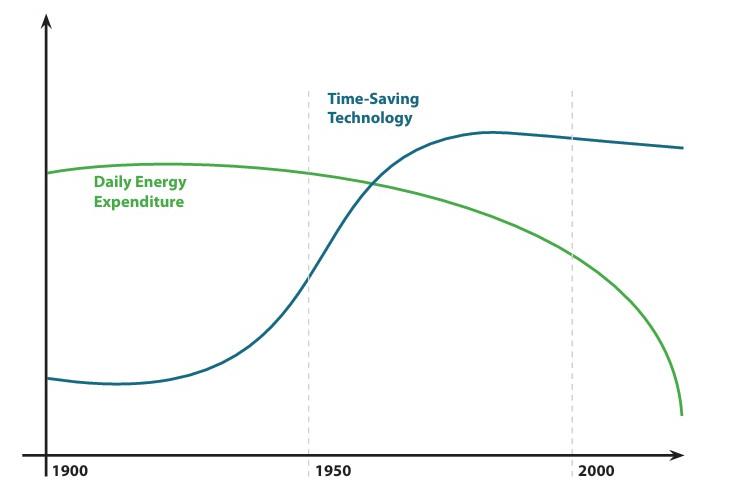
Figure 5.2: Movement Over Time Graph
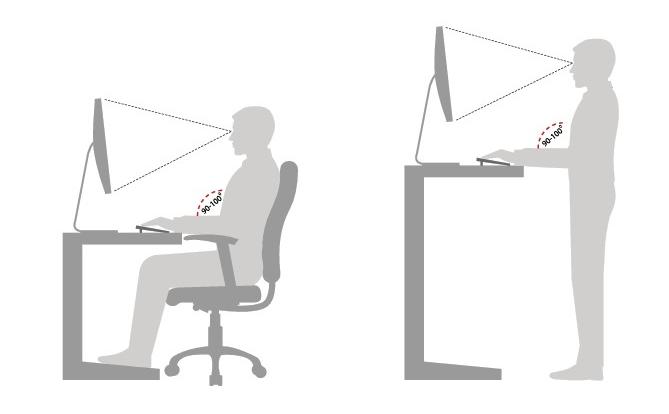
Figure 7.10: Optimal Sitting and Standing Desk Setup
Optimal computer work posture includes (among other things) keeping the middle of your monitor at eye level and your elbows at a 90–100° angle to prevent unnecessary neck, elbow, and wrist strain.
The Joint-by-Joint model shows how each joint has a primary role — mobility or stability — so you can choose the right exercises to heal and protect it.
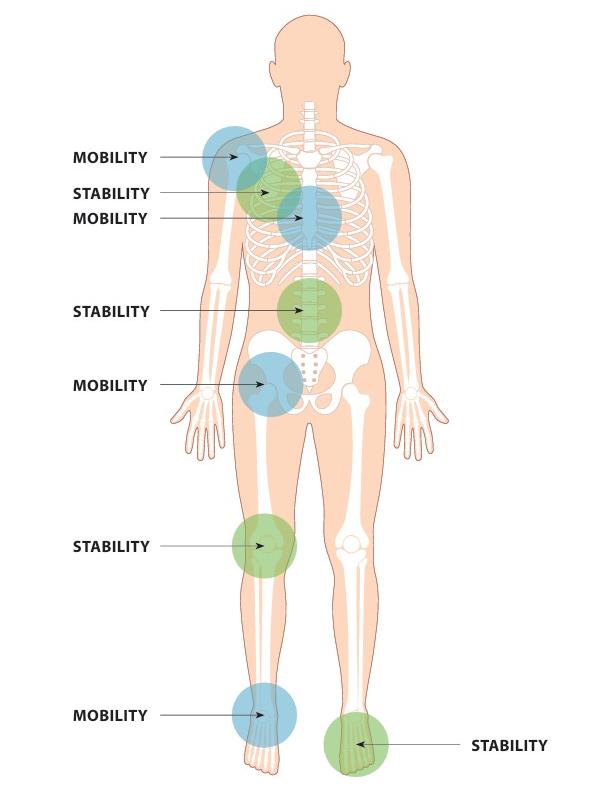
Figure 8.1: Joint by Joint Anatomy Description
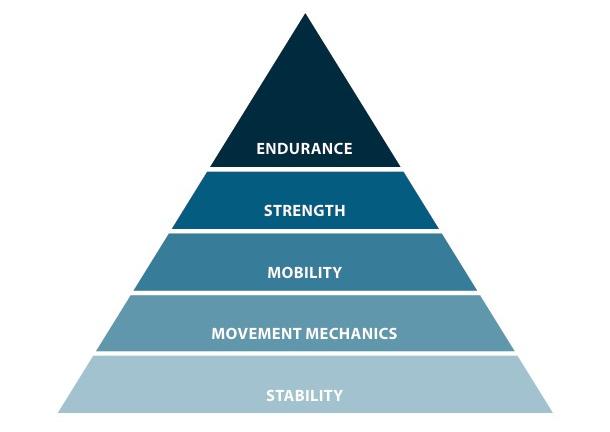
Figure 9.1: Injury Recovery Movement Priorities
The Injury Recovery Pyramid makes one principle clear: Stability must come before mobility when rebuilding healthy movement. This is why physical therapists often say, “You cannot fire a cannon from a canoe.”
Figure 10.4 shows that collagen tissue recovers more slowly than muscle, meaning your joints need longer rest intervals between hard training sessions.
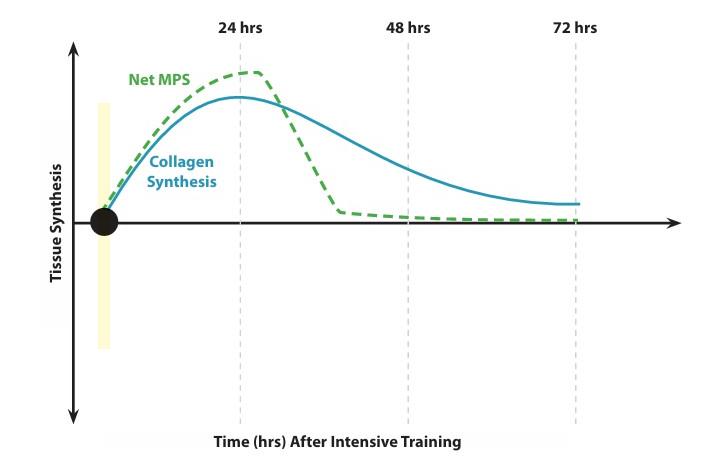
Figure 10.4: Muscle Protein Synthesis (MPS) and Collagen Synthesis Timelines After Intensive Training
Popular Built from Broken Quotes
“Load training (a.k.a. resistance training) is the most effective lever for resolving joint pain.”
“Studies show you must challenge your joints with weights around 80% of your one-repetition maximum to elicit the greatest adaptive response. This equates to a weight you can lift about eight times before reaching failure.”
“Supplementing with Type II collagen produces a unique effect in the body: It helps regulate the immune reaction responsible for intercartilaginous inflammation, supporting the overall healing process and helping manage pain levels. It also contributes to collagen production and formation — topics covered in later chapters. The recommended daily dosage for isolated Type II collagen supplements is 40 mg per day.”
“Any exercise designed to improve the circulation of synovial fluid within joints is considered synovial training. When I use this term, I’m typically referring to low-resistance movements performed at a deliberate, controlled speed for high repetitions. These movements help lubricate the joints, promote nutrient exchange, and maintain cartilage health.”
“Collagen protein — also called hydrolyzed collagen, collagen peptides, or Types I and III collagen — has a different effect in the body than Type II collagen. Most collagen supplements have been hydrolyzed into short chains of amino acids called peptides. Contrary to a common misconception, this does not break collagen down into single amino acids. Instead, hydrolyzation mimics digestion by producing peptide sequences that can be absorbed intact and exert specific physiological effects. These peptides play a meaningful role in the building and repair of connective tissue, especially injured or degenerated tissues.”
“Type II collagen has a protective effect on joints, while collagen protein supplements provide raw materials for the repair and regeneration of connective tissue. Both have been shown to help reduce joint discomfort and can be used separately or together, depending on your goals.”
“One of the most overlooked truths — even among health professionals — is that the benefits of movement go far beyond raising heart rate, building strength, or improving flexibility. Every time you move, muscle and joint systems circulate blood and oxygen, expel waste products, and signal tissues to remodel and repair. On a cellular level, varied movement is what creates, maintains, and reinforces long-term physiological health.”
“Exercises that isolate only one or two body parts can certainly build muscle strength in the targeted area, but they often neglect adjacent muscles. This creates gaps between strong links and weak links in the kinetic chain — exactly where injuries tend to occur. Balanced strength across the chain is essential for resilient, durable movement.”
“A major physical therapy study published in Sports Medicine concluded that, ‘Strong evidence exists that stretching has no beneficial effect on injury prevention.’ The researchers not only found stretching ineffective — they also challenged the assumption that making tendons more compliant is even advantageous. In short: Stretching is a poor tool for preventing injuries, and the logic behind using it for that purpose is flawed.”
Get Your Copy of Built from Broken + FREE Bonus Downloads
If you enjoyed this Built from Broken summary, you’ll get even more value from the full book.
While I recommend reading it cover to cover to understand the core principles deeply, it also serves as a reference you can turn to for the rest of your life.
Keep it on your bookshelf and flip to the index in the back of the book whenever you have issues or questions you want to resolve (for example, “shoulder pain” and “collagen supplements” are two popular concepts you can search for in the index and learn about within Built from Broken).
Grab your copy and free bonus downloads now from bfb-book.com.
Disclaimer: Read This Before Implementing Any Suggestions
The information in this summary, in the Built from Broken book, and on any associated pages is for educational and informational purposes only. It is not medical advice and should not be used as a substitute for professional diagnosis, treatment, or guidance from a qualified healthcare provider. Always consult your physician or licensed medical professional before beginning any new exercise program, mobility routine, or nutrition protocol—especially if you have an injury, medical condition, or have been advised to follow specific activity restrictions. No content here is intended to replace, override, or conflict with the recommendations of a qualified medical practitioner.