Be built (to last).
The right supplements can help you recover naturally and build a resilient body.

Supplement Quiz
Take this short quiz to discover the perfect supplements for your needs and goals.
About SaltWrap
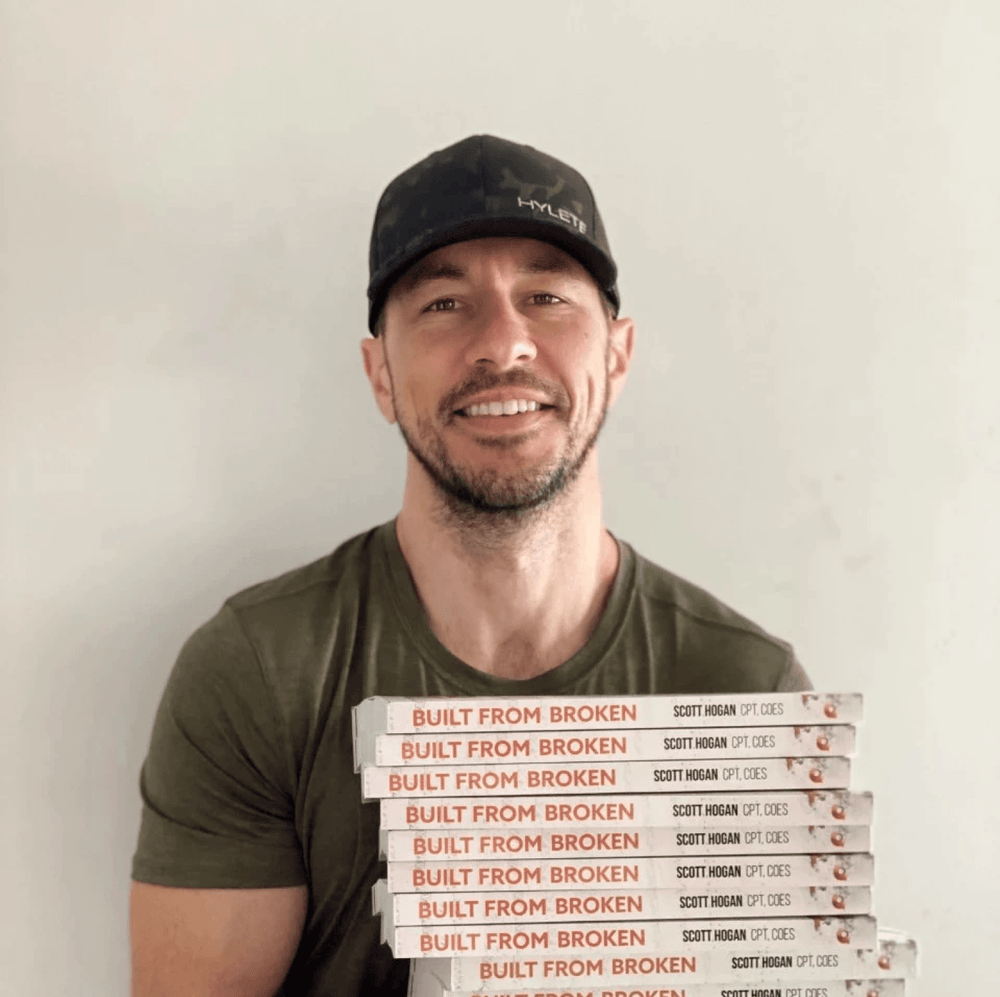
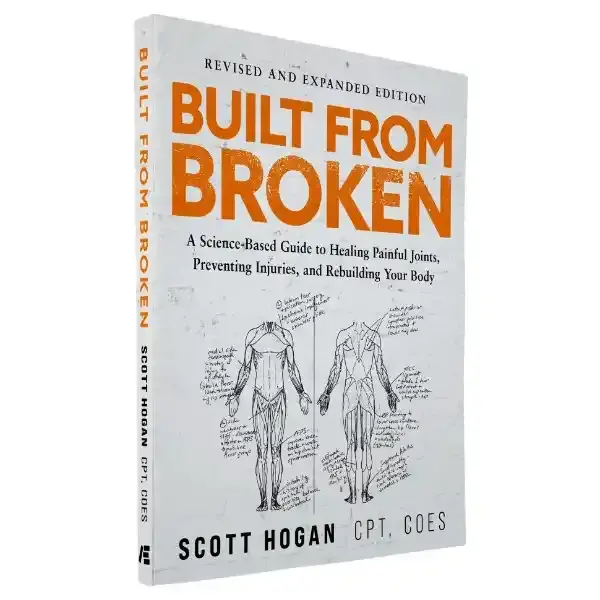
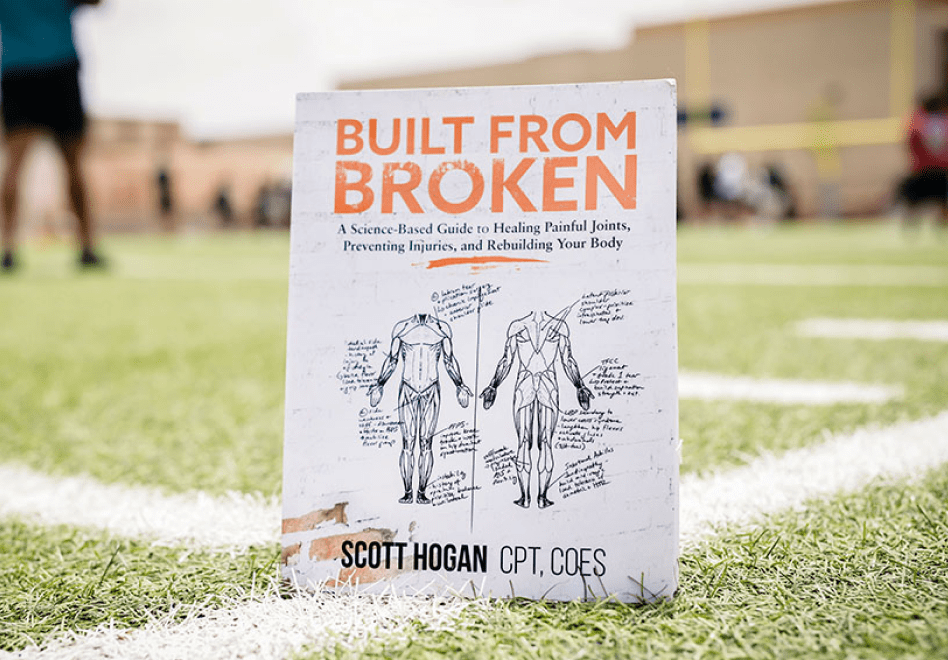
Built from Broken
Get the best-selling book from SaltWrap founder, Scott Hogan, and start rebuilding today.
How to Reduce Sensitivity to Pain

by Scott Hogan, ACE-CPT, COES
When most people are in pain, they reach for NSAIDs or other painkillers without thinking twice. And while these might help with the occasional acute injury, they don’t make your body more resilient.
In fact, many of them can have the opposite effect.
But what if there was a simple, natural way to not only build physical resilience, but also help reduce your body’s sensitivity to pain?
It doesn’t require working through any uncomfortable movements. It doesn’t even require using weights or otherwise loading your body.
Best of all? You can use this method to relax your nervous system virtually any time you’re experiencing pain.
Varied Movement: The Simple Solution for Reducing Sensitivity to Pain
If it feels like you’re riddled with pain and injuries, I’d like to offer you a solution. But first, I want to address a problem you may not even realize you’re dealing with.
One problem you’re likely dealing with is called pain sensitization.
This basically means your body has become hypersensitive to any pain signals or even the threat of pain.
The problem is that this leads to guarding or protecting. In short, your body essentially makes itself less mobile to prevent pain, making movement difficult.
As you can imagine, decreased mobility and difficult movement can make you more likely to suffer additional injuries — and even more pain.
This can create a vicious cycle of what feels like constant injury and reinjury.
The solution is varied movement.
It sounds simple, and it is. But introducing new and novel movement patterns is one of the best ways to help your nervous system relax.
If you can find ways to move differently and introduce some variety to your body, it helps tell your brain that it’s safe. It’s okay to move. It’s okay to relax the muscle fibers surrounding injuries.
And in turn, this also helps support optimal healing.
Final Thoughts
I’ve written extensively about exercises and modalities for fixing injuries head-on. But one of the simplest and best things you can do to prevent and recover from injuries is to find new ways to move.
If you’re a powerlifter, try low-impact cardiovascular exercise like going for a hike or a bike ride. If you’re a golfer dealing with elbow issues, try hitting the pool instead of hitting the links for some gentle resistance.
Introducing new and novel movement patterns helps put your nervous system at ease, which can have a downstream effect on everything from healing old injuries to improving mobility.
Of course, it can also help reduce your sensitivity to pain from these things, too.
If you want a roadmap for rebuilding your body pain-free, check out my award-winning and bestselling book, Built from Broken.
In it, I give you the step-by-step process for healing joint pain and coming back stronger.
Click the button below to learn more.