Be built (to last).
The right supplements can help you recover naturally and build a resilient body.
Supplement Quiz
Take this short quiz to discover the perfect supplements for your needs and goals.
About SaltWrap

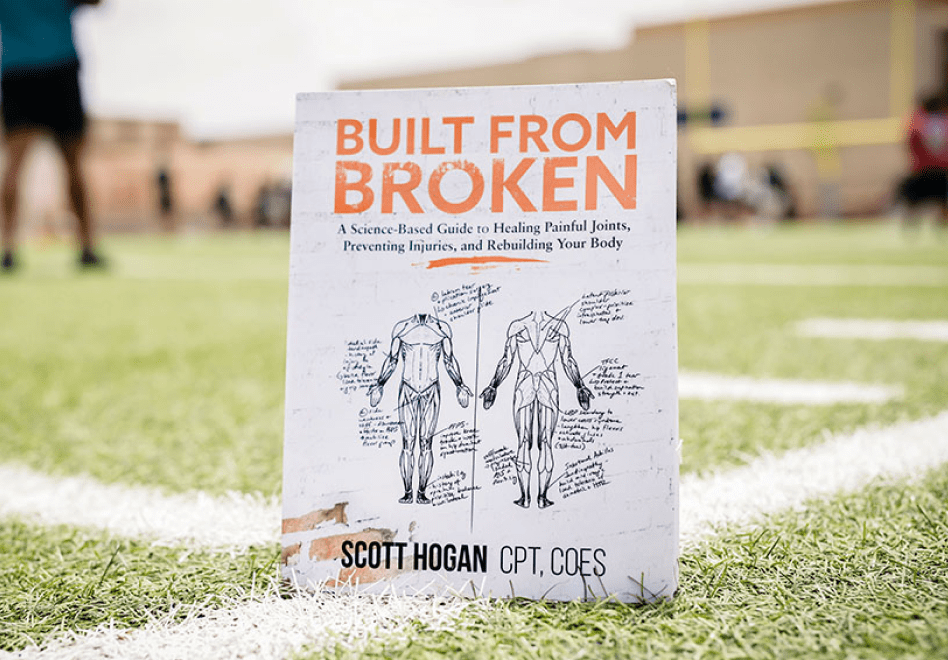
Built from Broken
Get the best-selling book from SaltWrap founder, Scott Hogan, and start rebuilding today.
Movement Quality: The Missing Key to Injury Prevention and Pain-Free Performance
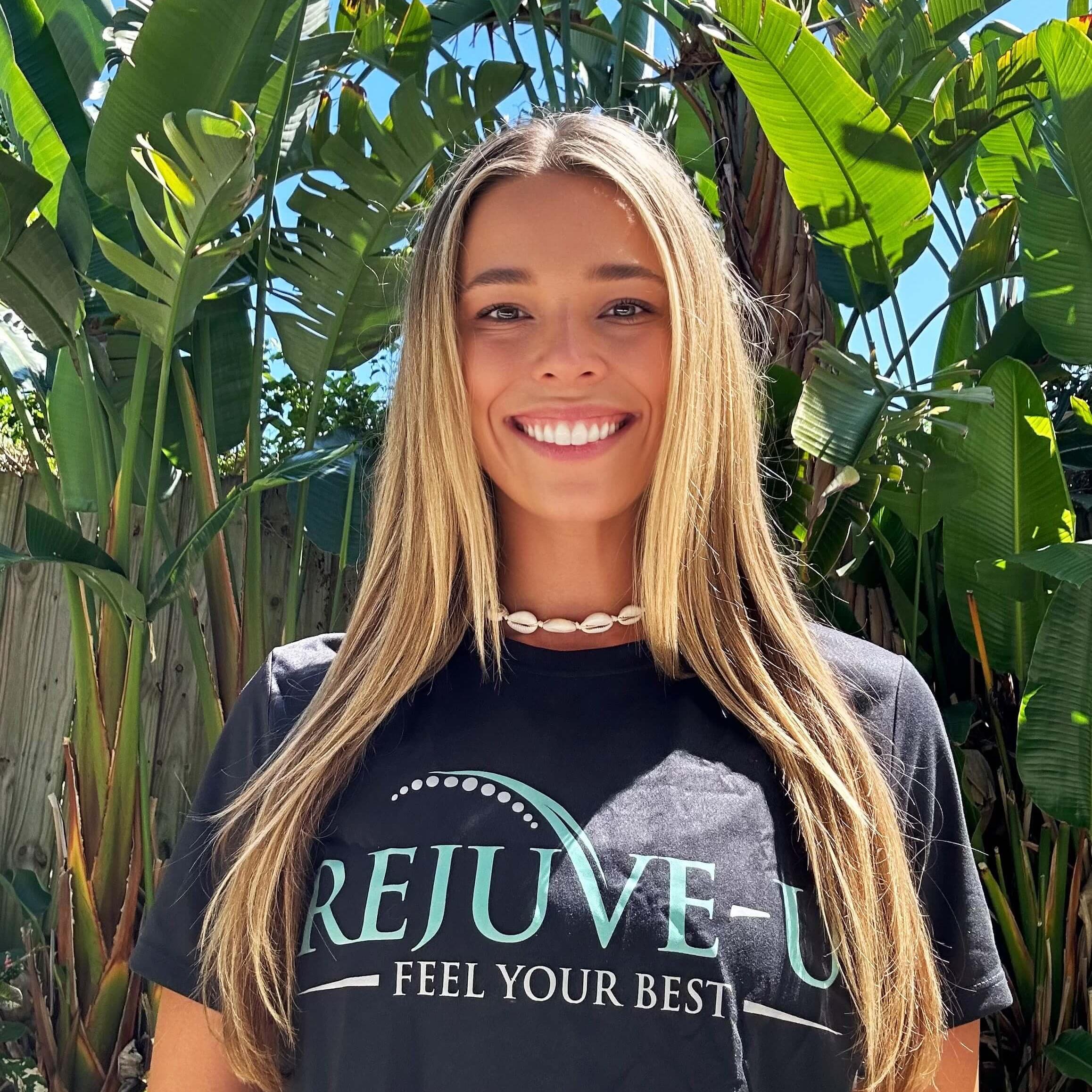
By Alaina Curry, DPT
How often you exercise, how long you train, and how hard you push yourself all play a role in building strength and endurance.
But these factors alone don’t necessarily keep you from getting injured — or help your body heal.
In fact, when volume and intensity aren’t properly managed, they can increase your risk of injury.
This isn’t about how hard or how much you move. It’s about how well you move.
That’s what the concept of movement quality is all about.
In short, movement quality is the key factor that determines whether exercise builds and supports your body — or slowly breaks it down over time.
The tricky part? Our bodies are incredibly good at compensating.
We find ways to work around pain, stiffness, weakness, or past injuries without even realizing it.
These hidden compensations can quietly create faulty movement patterns that can eventually lead to discomfort or injury.
You don’t need to be a physical therapist or movement expert to identify poor movement quality. What you need is a simple framework that helps you move more efficiently and intentionally.
That’s exactly what I plan to share with you in this article.
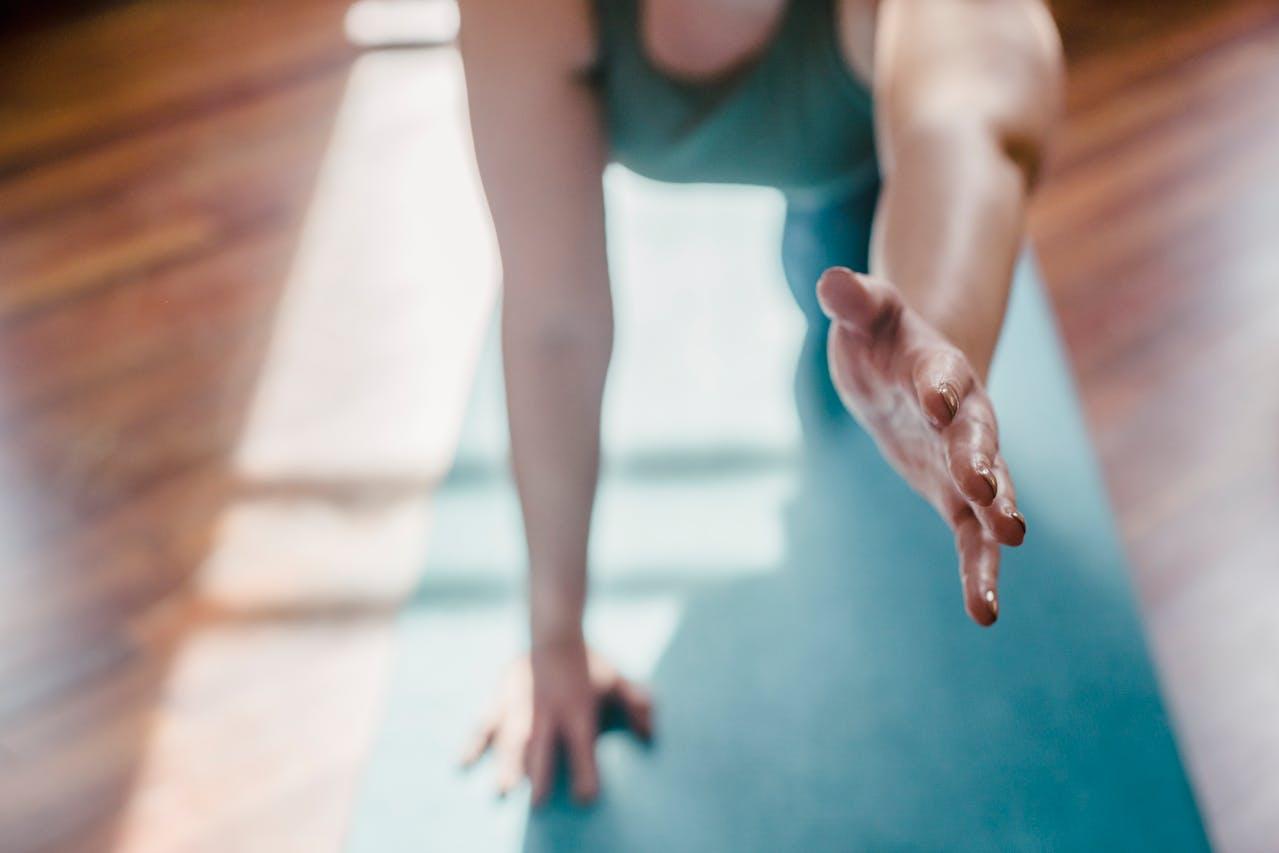
The Role of Mind-Body Connection in Movement
In my physical therapy practice, most patients quickly notice how much I emphasize the mind-body connection.
This isn’t about overthinking every movement. It’s about awareness.
When you’re aware of how your body is moving, you can improve control, coordination, and efficiency. Movement becomes intentional instead of automatic.
This is critical for:
-
Injury prevention
-
Post-operative rehab
-
Chronic pain management
As I’ve expanded my rehab approach, I’ve integrated principles from Classical Pilates, originally developed by Joseph Pilates.
One of its core foundations is establishing a strong mind-body connection before adding load, intensity, or volume to movement.
And this type of intentional movement is your most powerful tool for creating high-quality movement.
"Critical Connections" for Better Movement Quality
Pilates introduces a concept called “Critical Connections.” These are simple — but powerful —internal links within the body that allow it to move more efficiently.
These connections don’t require force or tension. They create support, stability, and coordination. This helps movement feel smoother and more controlled.
It’s why I like to focus on these Critical Connections with my clients to reinforce movement quality whenever possible.
Let’s take a look at them.
The Three Anchors: Creating a Stable Center
The Three Anchors provide a stable foundation for controlled, high-quality movement.
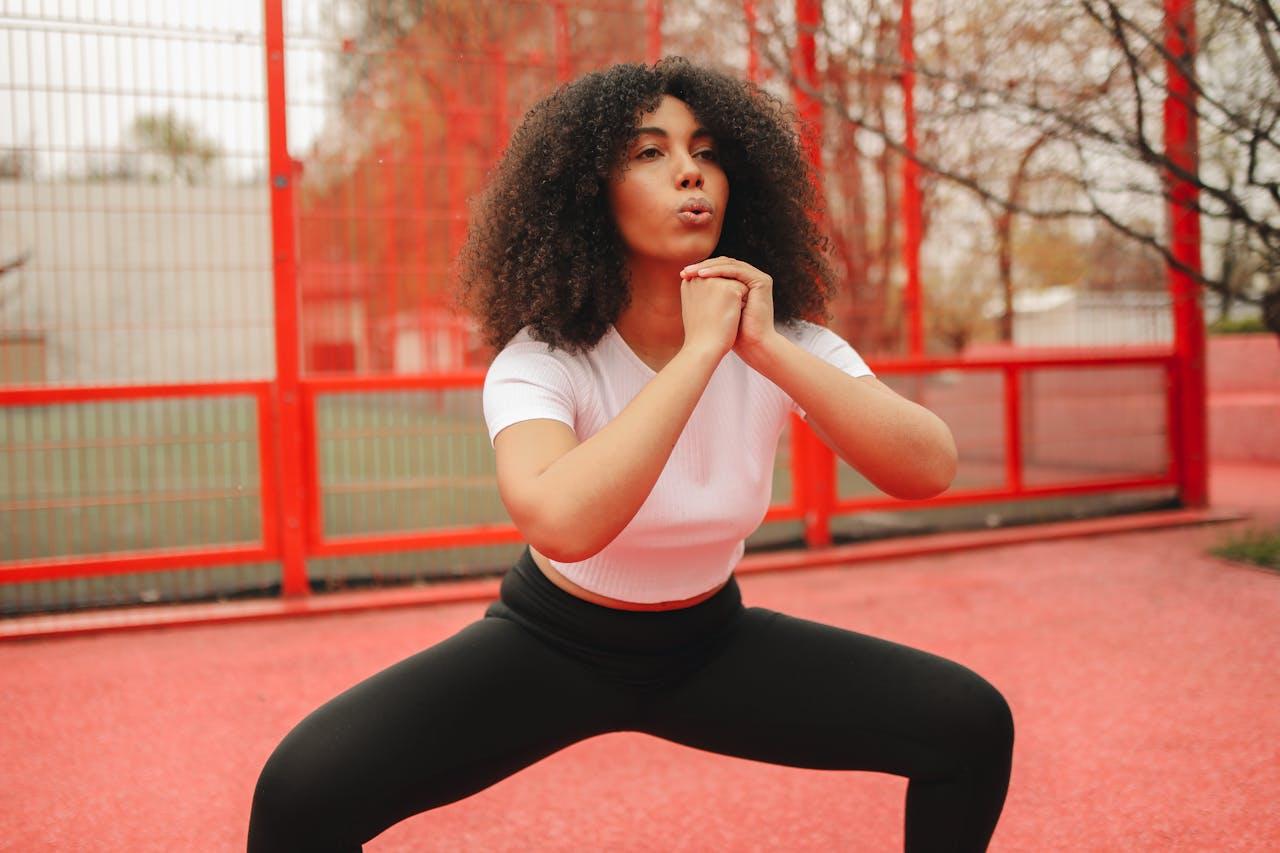
Imagine you were going to perform a basic bodyweight squat. Before you start the movement, you could engage these connections between the Three Anchors to increase stability using the following cues — all while just standing tall with your feet hip-width apart.
-
Inner Thighs
The inner thighs help connect the legs to the pelvis and core.
Cue: Imagine gently hugging a soft pillow or yoga block between your thighs. The engagement should feel supportive — not forced or clenched.
-
Sit Bones
The sit bones are the bony points you sit on and can serve as a guide to your pelvis position.
Cue: Think of them becoming heavy and grounded into the surface beneath you.
Cue: Picture them pointing straight down to the floor. Grow tall without tucking the pelvis or squeezing the glutes. The goal is a neutral, supported base.
-
Abdominals
The abdominals connect the ribcage to the pelvis.
Cue: Imagine gently wrapping the abdominal muscles around your waist, rather than “sucking in” your stomach.
Cue: Picture zipping up snug jeans from the pelvis to the rib cage while continuing to breathe comfortably and normally.
Common errors in a squat pattern include the knees caving in, the pelvis tucking too far under, and the chest collapsing in or the ribs flaring out.
I used to tuck my pelvis too far by strongly squeezing my glutes when I would squat. This would lead to tension in my lower back. And it eventually resulted in a serious back injury.
I didn’t know how to connect all three anchors. My weakest point was anchoring my sit bones correctly.
Here are a few examples of what helps me find my three anchors:
-
To engage my inner thighs, I gently draw the floor with my heels toward midline without moving my feet. I personally have my feet slightly turned out so that this engagement encourages proper knee alignment and prevents them from caving in.
-
This light feeling of an internal lift allows me to feel more support at the pelvis and generally more stable.
-
To anchor my sit bones, since I tend to over-activate my glutes, I imagine a small tail behind me and gently release the strong grip of the glute muscles. If you’re someone who tends to overarch their lower back in squatting patterns, it might help you to imagine your sit bones becoming heavy and stacking over your heels, while still avoiding clenching of the glutes.
-
And finally, if the inner thighs connect the legs to the pelvis and the sit bones orient the pelvis, then the abdominals organize the trunk around that base.
Before I hurt my back, I thought I had a very strong core — I thought it was all about how hard you braced. However, it’s quite the opposite.
The “zipping up” and “breathe normal” cues helped me go from collapsing in my lower back to lifting and lengthening out of my spine. But it’s important to note that I wouldn’t have been able to achieve this abdominal support if I hadn’t learned to properly anchor my sit bones.
Once I found all of my anchors, I finally felt what it’s like to have a supported, neutral pelvis and spine. There was no more tension in my lower back. And the effort to perform basic squatting patterns became free and easy!
The following two connections only helped me feel even more supported.
Rib-to-Scapula Connection: Supporting the Upper Body
This connection describes the relationship between the rib cage and the shoulder blades.
When it’s working well:
-
Posture feels more supported
-
Breathing feels easier
-
Shoulder movement feels lighter
Your shoulder blades should feel like they’re resting on your ribs — not floating away from them and not pinned tightly together. The arms move more freely when the shoulders aren’t jammed or overworked.
Athletes who perform overhead and repetitive movements (like swimmers, baseball pitchers, CrossFit competitors, etc.) tend to lose this connection most commonly. They often develop overactive traps, winging — or forward tipping — of the shoulder blades, and rib flaring during overhead movement.
So how do you strengthen this vital connection?
A good place to start is with your breath:
-
In any position, place one hand on the side of your ribs and take a slow inhale into the back and sides of your ribcage.
-
On the exhale, let your ribs soften, and imagine the shoulder blades melting onto the back of the ribs. You should feel neck tension release, and your arms will feel lighter as they go overhead for as long as you maintain this.
-
Keep in mind that often the issue isn’t just the scapula, but rather a stiff ribcage and upper back.
Breathing is just the start, though.
Once you have the hang of this, it’s time to take things a step further so you can really start to feel the connection.
One of my favorite drills to help dial in this connection is the Wall Drill.
Here's how to do it:
-
Stand with your back flat against the wall. You may need to walk your feet out 6-10 inches away from the wall.
-
Your shoulder blades should be resting on the wall while your head, midback, and tailbone are lightly touching.
-
Your pelvis should be neutral — think back to your anchors: Sit bones should be pointing down to the baseboard. This will leave a small natural space between your lower back and the wall.
-
Now, think about growing tall. Let your ribs soften and allow your shoulder blades to rest.
-
Take one slow breath into the back of the ribs and feel them expand into the wall. This is an important step because if the ribs are flared forward, the shoulder blades have nothing stable to glide on.
-
Now, bring your arms into a “W” or goalpost position with your elbows bent about 90 degrees and the back of your hands lightly touching the wall if possible. Don’t force your hands to the wall if you have some shoulder mobility restrictions — this will only cause the ribs to flare.
-
Finally, slowly slide the arms upward. The shoulder blades should stay broad and connected as they gently rotate upward. There should be no shrugging, and your neck should stay relaxed.
This drill is not about how far you can reach your arms up. Rather, it’s about how connected you can remain.
Pay attention to these common compensatory patterns: Do your lower ribs and/or lower back pop off the wall?
Are your shoulder blades peeling away from the wall, or is your neck tightening and/or your shoulders jamming down?
(How do you know if the shoulders are jamming down? Can you turn your head easily? If not, think about widening through your collarbones and upper back. Focus on the breathing cues we began with to soften the shoulders.)
Heel-to-Seat Connection: Power from the Back of the Body
The heel-to-seat connection links the hamstrings and glutes so they work as a team.
In my example of how I find my inner thigh anchor, I used this connection by pressing my heels through (into) the floor. When you press through your heel, the effort should travel up the back of your leg toward your glutes.
This helps support:
-
Hip stability
-
Walking mechanics
-
Spinal protection
Instead of one muscle doing all the work, the entire posterior chain contributes. This helps to reduce strain on the lower back and knees.
Using this connection with the floor helps to ground and organize your body whenever you are moving. Then challenge yourself to reach through your heels when performing bodyweight exercises to achieve the same connection. You should feel a subtle engagement deep under your sit bones.
Here’s a simple way to find this connection:
-
Lie on your back with one heel resting on the wall, with the knee slightly bent to 20-30 degrees.
-
Find that neutral pelvis, with a small space beneath your lower back and your tailbone grounded.
-
Without pushing yourself away from the wall, press as if you are gently dragging your heel down the wall — but don’t let it move. This slight digging in of the heel should help you find this connection without over-activating your glutes or hamstrings. (If your glutes fire strongly or your hamstrings cramp, lessen the effort by half.)
-
Now, try to find that same activation with your leg off the wall and straight out to a 45-degree angle.
-
Reach through the heel to find that same deep engagement under the sit bones without changing the position of your pelvis or spine.
This takes some time and effort. Don’t get frustrated if you don’t get it on your first few attempts. Practice makes perfect.
Pilates takes years to master.
But if you can stick with it, the benefits for movement quality can be outsized for the effort required. The trick with these cues is to take your time and really focus on how they feel when performed correctly.
Putting It All Together
The power of these Critical Connections results in less gripping or compensation, less joint strain, better coordination, and greater ease and comfort in almost every movement.
When the inner thighs connect, the sit bones anchor, and the abdominals organize the trunk, the pelvis becomes a stable base for your body.
This is so important when you consider how common it is for people to experience a lumbar spine injury, especially at L5-S1, where your upper half connects to your lower half.
When the ribs support the shoulder blade and the heel connects to the seat, movement becomes integrated and optimized from top to bottom.
The better you understand and feel these connections, the better you understand how your body is designed to move — without restrictions and compensations.
Using these methods to improve your movement quality will help your body heal. It will also help you stay resilient against injuries.
And while you can help improve movement quality on your own, you should first seek out movement professionals — like trainers, coaches, physical therapists, or chiropractors — to help you.
They can guide you on proper form. And they can help you understand what’s happening in your body. Education creates awareness, and awareness improves movement.
When you start paying close attention to how your mind connects with your body to move, you don’t just exercise more. You start to move better.
Putting an emphasis on improved movement quality — not just more movement in general — is what helps keep the body strong, resilient, and functioning optimally in the long run.
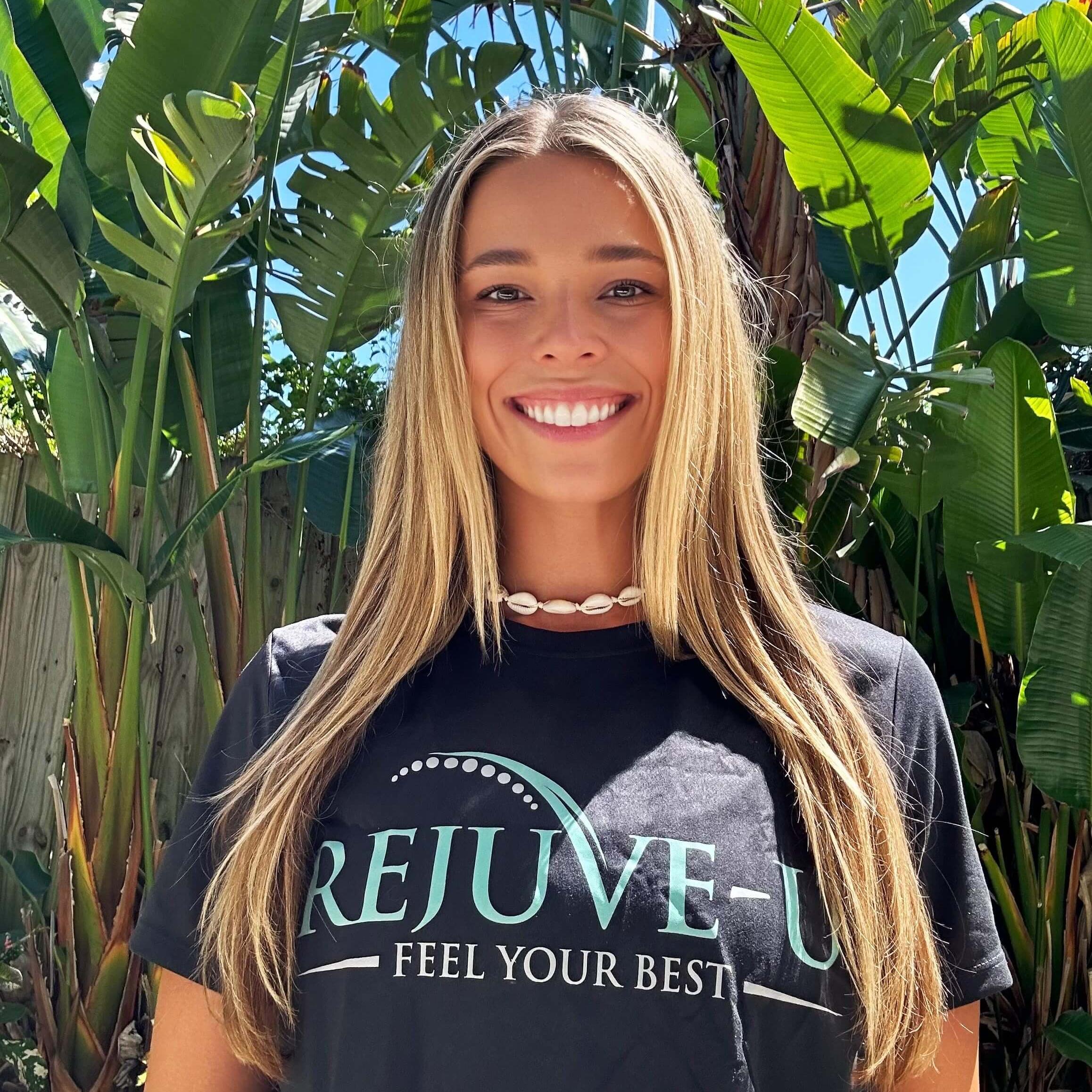
Alaina Curry, DPT, CSCS
Alaina Curry is a founding member of SaltWrap's Clinical Advisory Board and one of South Florida’s most in-demand physical therapists.
A lifelong athlete and former NCAA All-American in Women’s Soccer, she became a Certified Strength and Conditioning Specialist to help athletes of all ages come back stronger – and unlock peak performance – after injuries.
Today, Alaina treats a diverse clientele wanting to lead an active, pain-free lifestyle. If you’re interested in becoming a potential client, go here now to learn more.