
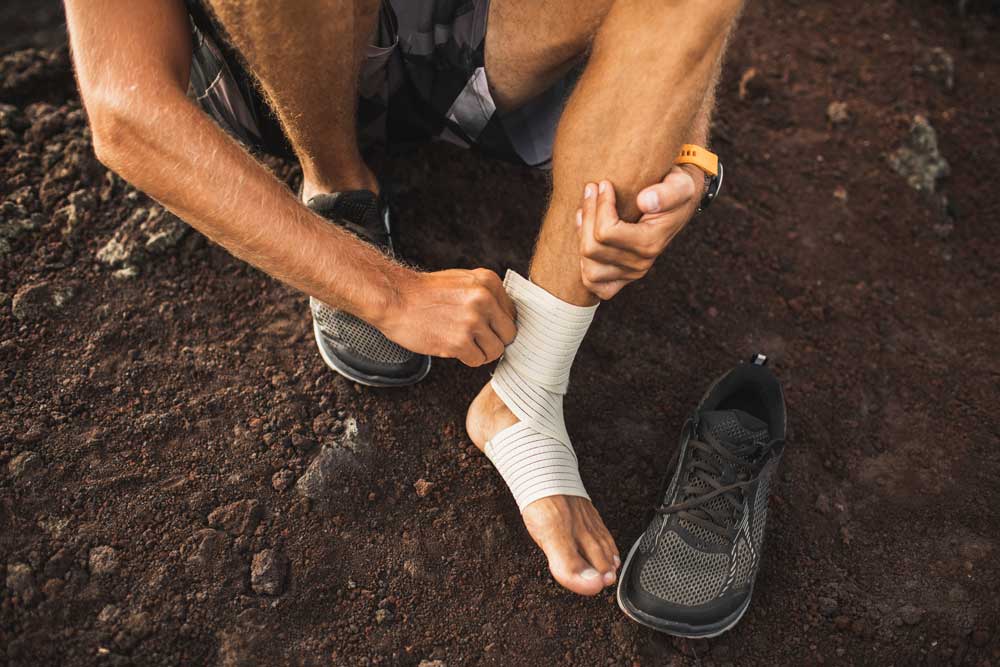
Be built (to last).
The right supplements can help you recover naturally and build a resilient body.

Supplement Quiz
Take this short quiz to discover the perfect supplements for your needs and goals.
About SaltWrap

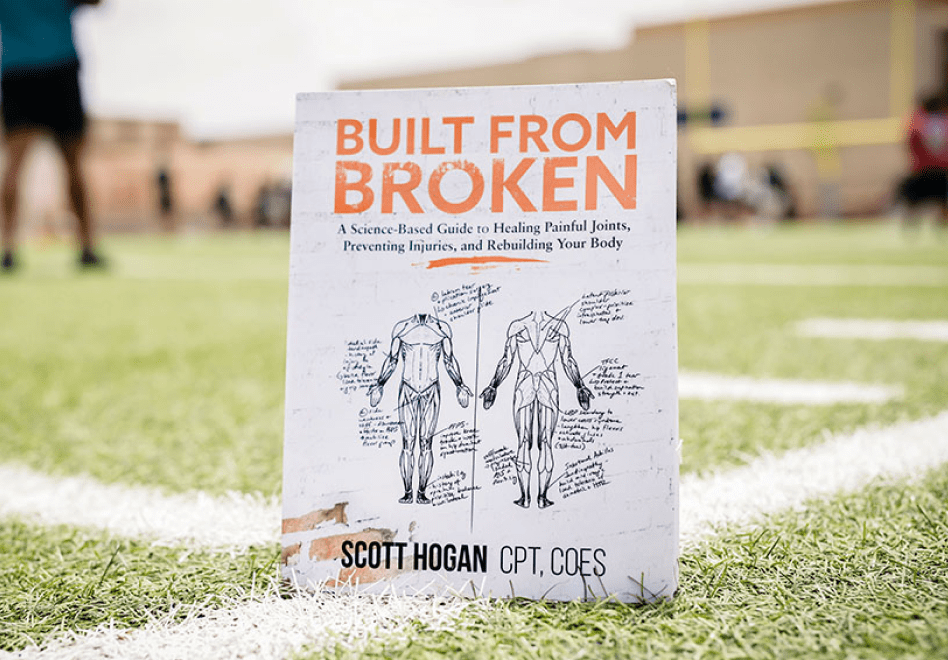
Built from Broken
Get the best-selling book from SaltWrap founder, Scott Hogan, and start rebuilding today.
3 Easy Ways to Reduce Exercise-Related Joint Pain

by Scott Hogan, ACE-CPT, COES
Exercise is supposed to make you feel stronger and more resilient.
But if you’ve ever started a workout and immediately felt stiff, achy, or “rusty” in your joints, you know how frustrating it can be.
Once that discomfort shows up, it can change everything.
You start second-guessing your movements. You might cut your range of motion short or avoid certain exercises. Or worse, you might just push through the pain and hope it goes away — making things worse in the process.
Here’s the good news: Exercise-related joint pain doesn’t mean something is seriously wrong.
In many cases, it just means your joints aren’t fully prepared for the work you put them through.
Before you jump into heavy lifting, running, or other high-intensity exercise, your joints need three basic things.
Here are three easy ways to reduce exercise-related joint pain before your next workout.
1. Stay Hydrated
This sounds almost too basic to matter, but hydration is one of the most underrated factors in joint comfort.
Your joints are surrounded by synovial fluid. It’s a thick, slippery fluid that helps lubricate and cushion your joints.
Think of it like the oil inside an engine. When there’s enough lubrication, the parts glide smoothly. When lubrication is low, things start to feel stiff, sticky, and irritated.
Your joints work in a similar way.
If you’re dehydrated, your body may have a harder time supporting optimal joint lubrication. And when your joints aren’t well-lubricated, exercise can start to feel a lot more uncomfortable than it should.
That’s why dehydration can often show up as:
-
Stiffness
-
Aching
-
Reduced mobility
-
Abnormal discomfort during exercise
-
A "dry" or "rusty" feeling in the joints
Hydration alone is not a magic fix for exercise-related joint pain. But if you’re consistently behind on hydration, it’s one of the first — and easiest — things to fix.
Here’s a simple rule: Don’t try to “catch up” on hydration right before your workout.
Instead, drink water consistently throughout the day. Your goal shouldn’t be an exact number of glasses or ounces. Just try to make it a habit to always have water nearby — and keep sipping.
If you sweat a lot, train in the heat, or tend to cramp easily, consider adding high-quality electrolytes.
When Joint Pain Is a Warning Sign
Some joint discomfort improves when you hydrate better, warm up properly, and prepare your joints with light movement.
But some joint discomfort is a warning sign that something else may be going on.
Be careful with joint pain that is:
-
Sharp or stabbing
-
Getting worse with time
-
Accompanied by swelling
-
Causing instability
-
Present even while at rest
-
Limiting normal daily activities
-
Connected to a recent injury
If you’re dealing with any of these, don’t just keep pushing through.
Pain is information. And sometimes, the smartest training decision is to back off, modify the movement, or talk to a qualified healthcare professional.
The goal is not to never experience pain again, but to understand it, respect it, and train in a way that builds a more resilient body over time.
2. "Pump Up" Your Synovial Fluid
If you’re dealing with joint pain, stiffness, or exercise-related aches, you need to do more than just “get loose” before you start your main workout.
You need to prepare the specific joints you’re about to use for the work ahead.
This is where synovial fluid comes back into the picture.
Synovial fluid helps lubricate your joints, but movement helps distribute it.
Gentle, repetitive motion can help “pump” synovial fluid through the joint, so it feels more cushioned, lubricated, and ready for exercise.
A simple way to do this is to start with 20-30 repetitions using very light resistance.
The movement should be:
-
Light
-
Smooth
-
Controlled
-
Continuous
-
Pain-free
-
Intentional
This should not be forceful. It should not be stressful. It should not feel like a real working set.
Think of it like trying to fix a rusty door.
If a hinge is stiff, you wouldn’t just give it some lubrication and then try to slam the door open. You’d gently move it back and forth, letting the lubrication work its way into the hinge, breaking up the rust.
Your joints respond in a similar way.
Instead of forcing your body into heavy exercise right away, give your joints a chance to “pump up” with synovial fluid by performing controlled, high-repetition movements.
For example, before a lower-body workout, you might do 20-30 bodyweight squats and/or 20-30 light leg extensions.
Before an upper-body workout, you might do 20-30 light rows and/or 20-30 light dumbbell presses.
The exact exercise doesn’t matter as much as the intent behind it.
You’re not trying to fatigue the muscle. You’re trying to prepare the joint.
Use light resistance. Keep the movement smooth. Avoid pausing or grinding. And let your body gradually feel more lubricated before you increase the intensity.
This one change alone can make a major difference in how your joints feel during exercise.
3. Raise Your Core Temperature
Warm-ups have become easy to skip. In some parts of the fitness world, warm-ups have almost fallen out of favor completely.
But if you’re experiencing exercise-related joint pain, one of the best things you can do before exercise is simple: get warm.
Raising your core temperature increases blood flow and prepares your tissues for movement. Your muscles, tendons, ligaments, and joints generally feel and perform better when they’re warm.
Cold tissues are stiff tissues. And stiff tissues don’t tolerate stress as well.
If you go from sitting at a desk, driving in your car, or lying in bed straight into intense exercise, your body may not be ready.
The result?
Your joints may feel tight. Your tendons may feel irritated. Your movement may feel restricted.
But when you raise your body temperature first, everything tends to move a little easier.
That doesn’t mean you need a complicated warm-up routine.
You don’t need 30 minutes of mobility drills. And you don’t need to exhaust yourself with hard cardio before your workout starts.
You just need to gradually increase your body temperature.
Good options include:
-
Brisk walking
-
Easy cycling
-
Rowing
-
Light sled pushes
-
Dynamic mobility drills
Aim for 5-10 minutes of easy movement before your main workout.
The goal is not to get tired. The goal is to feel warm, loose, and prepared.
You should be able to think, “Okay, my body feels ready now.”
Final Thoughts
If you deal with joint pain during exercise, don’t overcomplicate your warm-up. Just use this simple three-step formula:
First, hydrate before you train.
Make sure you’ve been drinking water throughout the day, especially if you train later in the afternoon or evening.
Second, raise your body temperature.
Spend 5-10 minutes doing easy movement until you feel warm.
Third, pump the joint with synovial fluid.
Choose one or two high-rep movements for the joints you’re about to train. Perform 20-30 smooth, controlled reps with very light resistance.
Here’s what a complete joint warmup might look like for a lower-body workout:
-
5 minutes of brisk walking or cycling
-
20-30 bodyweight squats
-
20-30 light leg extensions
-
Then begin your normal workout
For an upper-body workout:
-
5 minutes of brisk walking or cycling
-
20-30 rows
-
20-30 light dumbbell presses
-
Then begin your normal workout
This doesn't need to be fancy.
In fact, the simpler it is, the more likely you’ll be to do it consistently. And that’s what matters most.
Because the goal isn’t just to exercise harder.
It’s to rebuild your body so you can move pain-free and come back stronger.
And if you're looking for science-backed joint support, we can help with that:
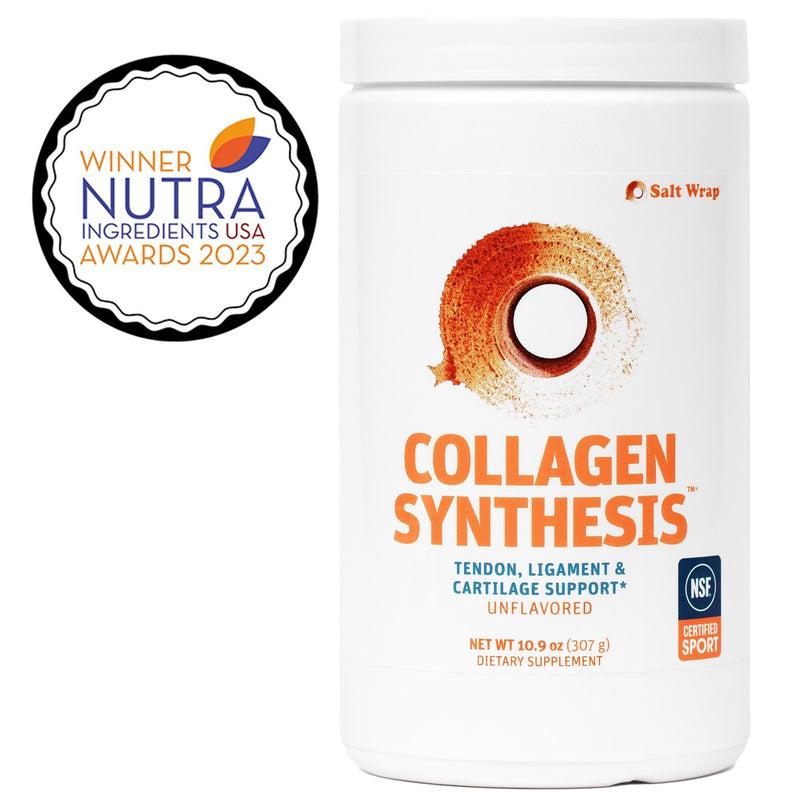
Collagen Synthesis™
The award-winning, joint-building collagen physical therapists and elite athletes trust for strong, mobile, and resilient joints.
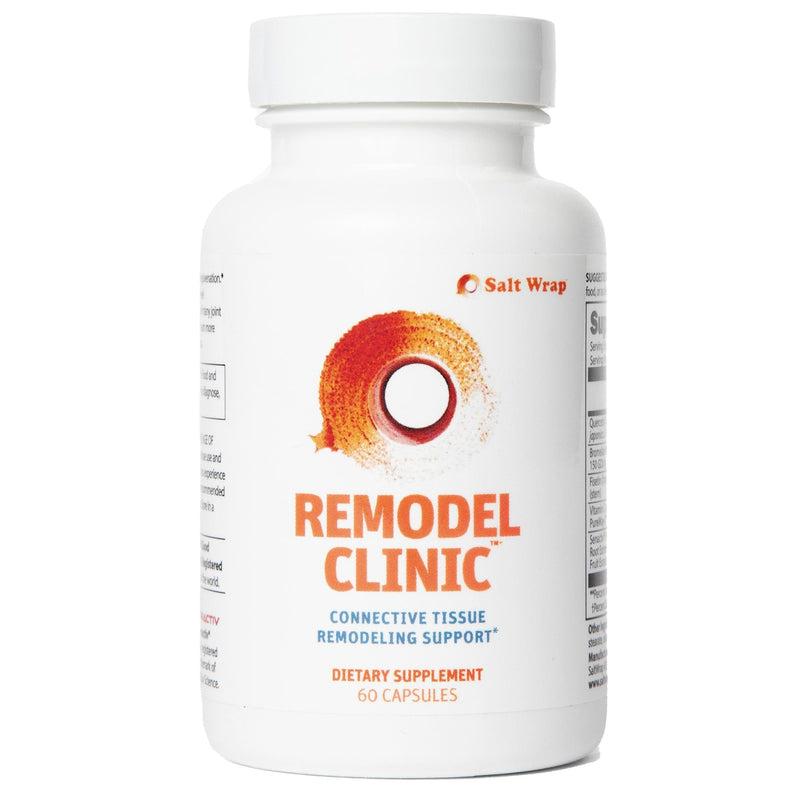
Remodel Clinic™
The first joint-remodeling formula for better joint mobility, reduced stiffness, and healthy connective tissue turnover.
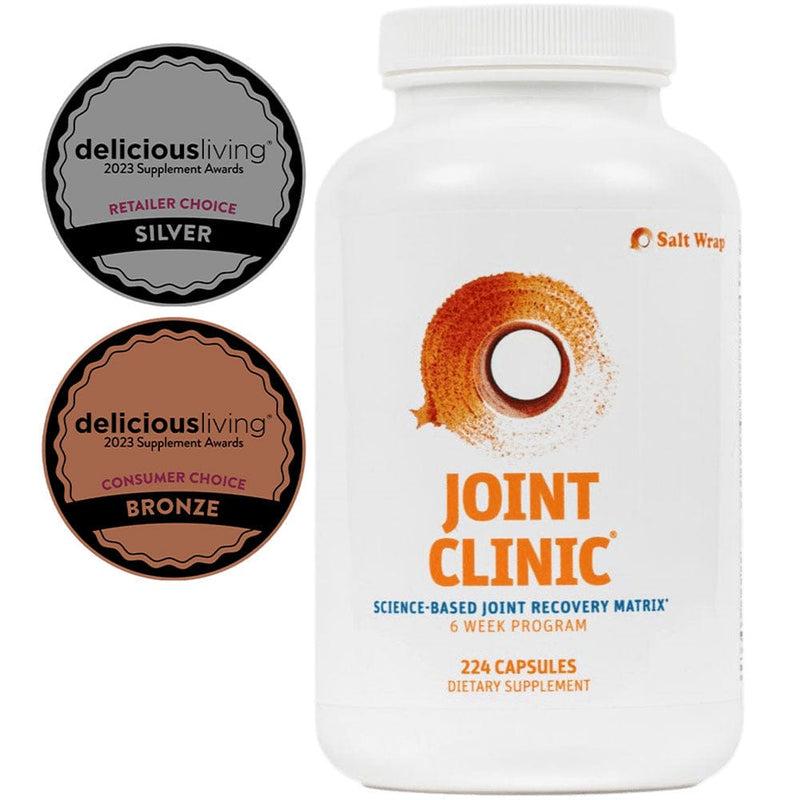
Joint Clinic™
The only award-winning, science-backed multivitamin formulated for total joint recovery.