

Be built (to last).
The right supplements can help you recover naturally and build a resilient body.

Supplement Quiz
Take this short quiz to discover the perfect supplements for your needs and goals.
About SaltWrap
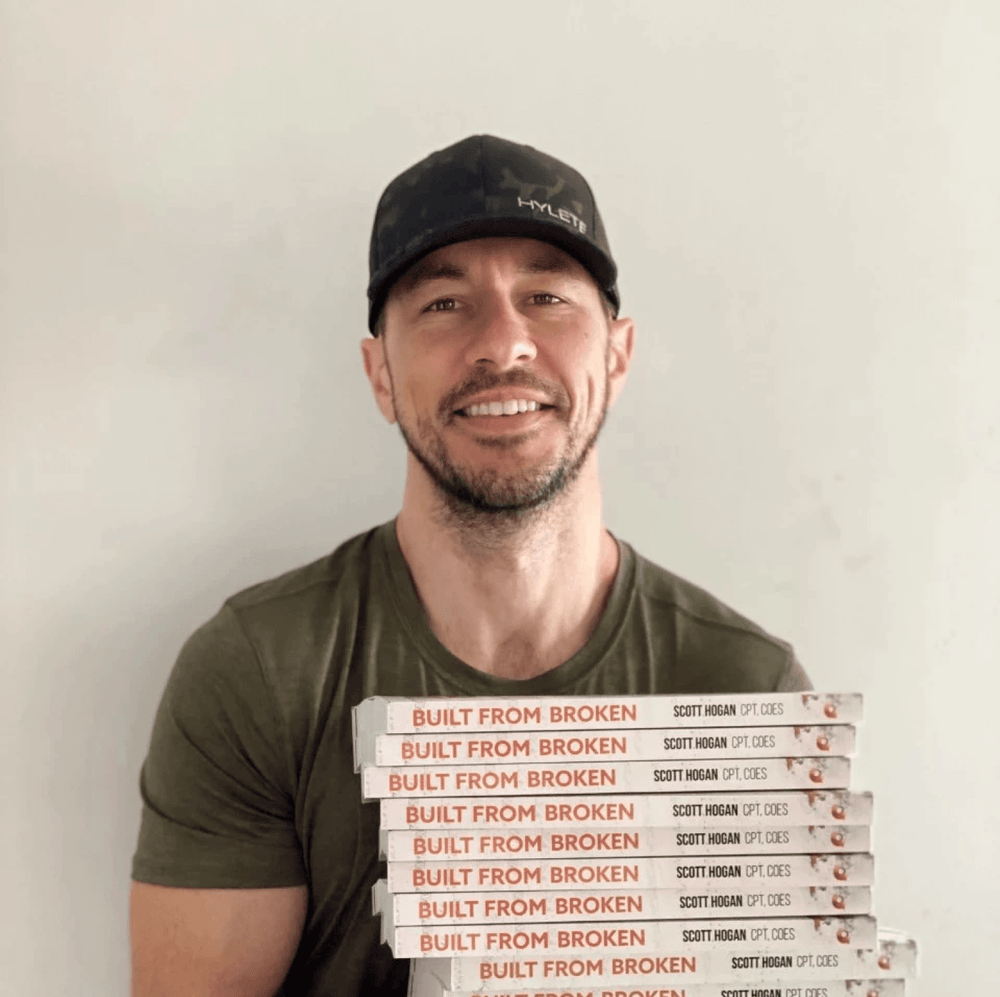
Built from Broken
Get the best-selling book from SaltWrap founder, Scott Hogan, and start rebuilding today.
What Is PRP Therapy?
By Dr. Ro Mahajan, MD
When it comes to physical performance, elite athletes are always looking for a competitive edge. But athletes at the highest levels take it a step further. They also seek ways to optimize healing and recovery so they can come back stronger.
One of the most talked-about therapies for athletes of the last decade is Platelet-Rich Plasma, or PRP therapy. Some of the world’s most famous athletes — across virtually every sport — have used it to aid in recovery and healing. This includes Tiger Woods, Alex Rodriguez, Rafael Nadal, Maria Sharapova, and the late Kobe Bryant.
It makes sense that when regular people hear about names like these using PRP therapy, they want to know more. And when it comes to PRP, they usually have the same questions: What is it, how does it work, and what are the real pros and cons?
Today, we will answer these questions and more.
Let’s dive in.
How PRP Works
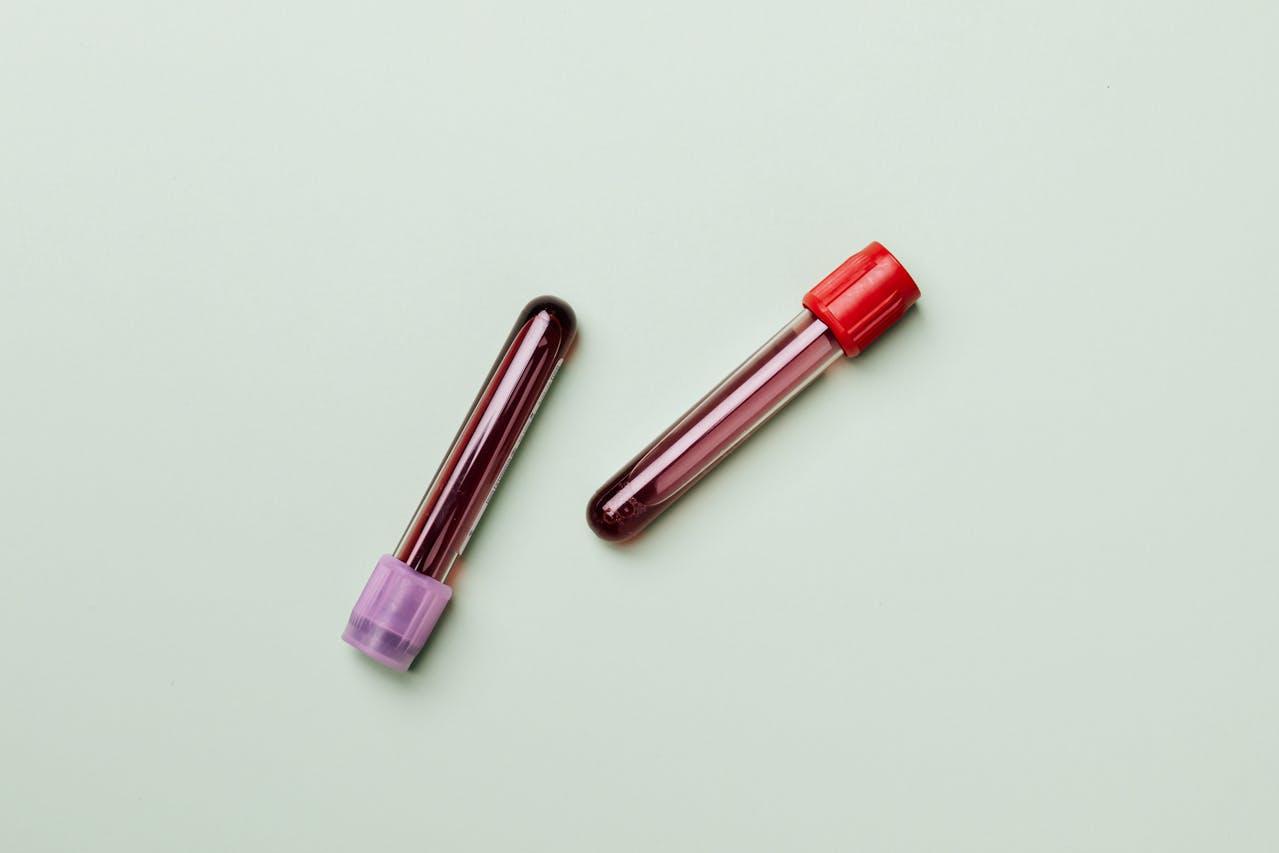
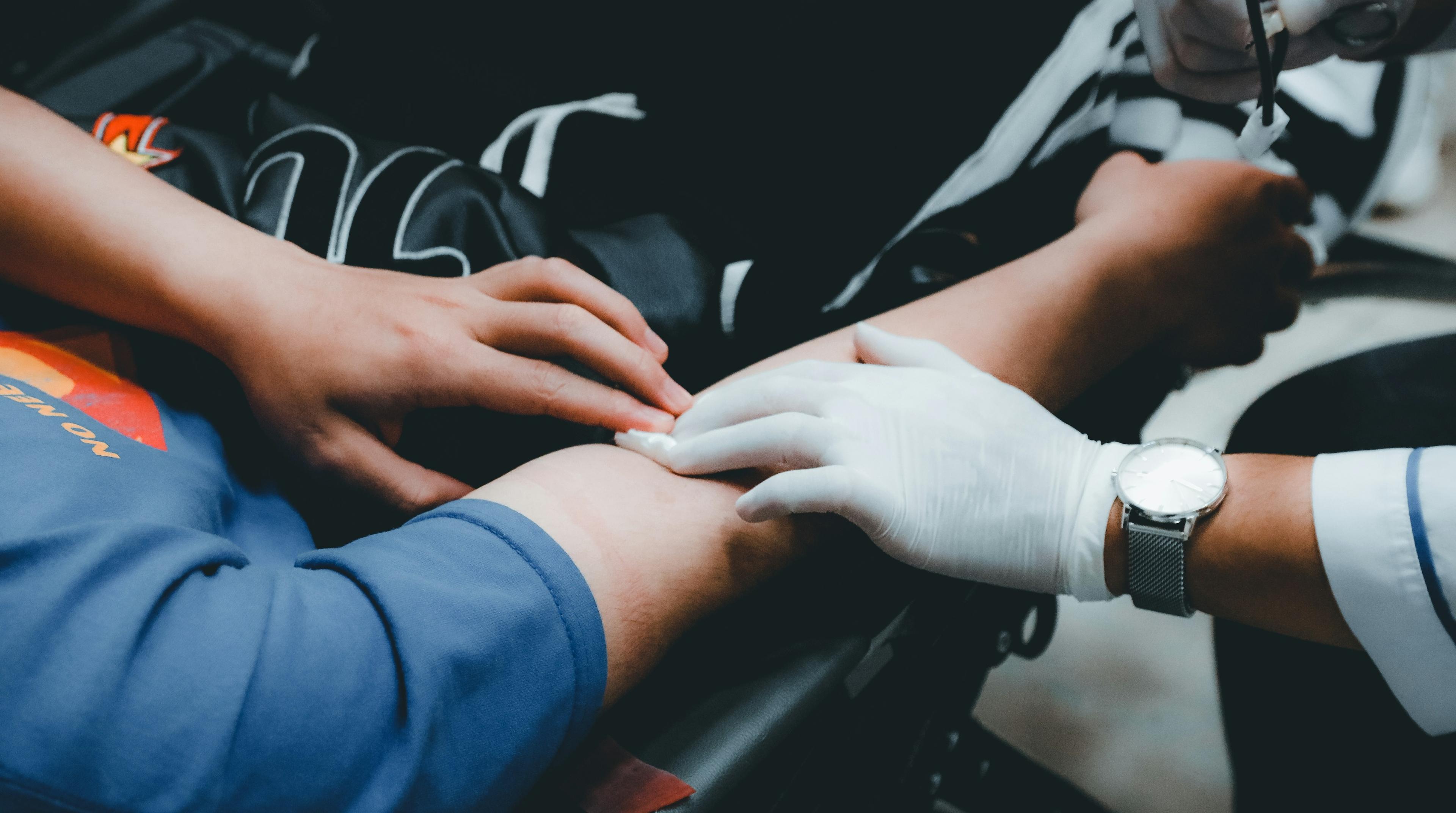
Platelet-Rich Plasma therapy, or just PRP for short, is a treatment that uses your own blood — specifically your platelets — to help improve injury or areas of degeneration associated with pain, weakness, or instability.
There is a lot packed into that sentence. So, let’s break it down.
When you are injured, such as with a torn rotator cuff or a degenerative condition like knee arthritis, your body recognizes that the tissue is not healthy.
In response, it creates inflammation around the affected area.
While inflammation has a bad reputation, its purpose is protective. It increases pain sensitivity to signal that something is wrong. It also attracts other cells to the area to clean up damaged tissue and begin repair.
The issue is that as we get older, this natural healing response is often not enough to fully repair the tissue.
There are many reasons for this, but two are particularly important.
First, many injured or degenerative tissues have poor blood supply. If blood cannot easily reach an area, then those healing cells cannot either.
Second, our supply of regenerative cells — including stem cells — declines every year as we age. This results in us having fewer healing cells available overall. It also means fewer cells can reach the damaged tissue.
That’s where PRP comes in. It works around these limitations to help your body do what it is designed to.
Why Platelets?
When you cut yourself or sustain an injury, platelets are among the first components of blood to arrive.
Platelets are not just involved in clotting. They contain thousands of tiny granules filled with growth factors and signaling molecules. These signals act like beacons that attract other cells to the area to clean up damaged tissue and begin rebuilding.
With PRP therapy, a concentrated dose of your own platelets is sent directly into the unhealthy tissue.
Instead of relying on limited blood flow to deliver these healing signals, a high concentration of natural-based healing power is delivered exactly where it is needed.
This creates a strong local signal that attracts reparative cells and stimulates tissue remodeling.
Over time, this process is thought to help clear damaged tissue and promote the formation of new, healthier collagen.
Because this is a biological repair process, it takes time. The benefits aren’t instantaneous. Most PRP patients do not notice meaningful improvement for several weeks. It can take six to twelve weeks to see the full effect.
In other words, this is not a quick fix like a corticosteroid injection. However, the goal is to improve tissue health rather than simply alleviate — or mask — the pain.
Pros and Cons of PRP
One of the biggest advantages of PRP therapy is safety.
Because it uses your own blood, the risk of allergic reaction or rejection is extremely low. When performed properly, serious complications are also rare.
Plus, as an added benefit for athletes, PRP avoids many of the downsides of corticosteroid injections. This includes the risk of weakening tissue over time — and even accelerating degeneration when used repeatedly.
Another benefit is that PRP is aimed at improving tissue health rather than just reducing pain. For patients who want to stay active and avoid — or delay — surgery, this approach can be appealing.
That said, the downsides of PRP are just as important to acknowledge.
PRP is not covered by most insurance plans. This makes it an out-of-pocket expense for many patients. Results are not guaranteed. And some people simply don’t respond well to PRP. Even in ideal candidates, improvement may be partial rather than complete, or even substantial.
There is also a time commitment involved.
PRP requires patience, activity modification, and often a structured physical therapy plan. It is not a one-and-done injection that fixes everything overnight.
Putting It All Together
In the right patient, for the right condition, PRP can be a useful tool. The key is understanding its role, its limitations, and whether it fits the specific problem being treated or your individual situation.
To reiterate, PRP is not for everyone. Two people can have the same exact treatment — but experience entirely different outcomes.
PRP is not a quick-fix solution for pain relief, either. It is not the sort of therapy you can give an athlete at halftime to help get them back in the game and play through pain.
However, for an athlete with a nagging injury or residual inflammation from an old injury, PRP might be a great off-season solution for promoting optimal healing.
If PRP aligns with your fitness goals, and if you have a clear understanding of what to expect in terms of potential benefits, then it might be worth finding a reputable and affordable practice in your area that offers this therapy.
From there, you should be able to schedule a consultation to make sure your goals and expectations are in total alignment with the provider’s — and get a clear understanding of the costs and timelines associated with any treatment plan.
Dr. Ro Mahajan, MD
Dr. Ro Mahajan received his MD from the University of Toledo College of Medicine in 2011. He has been double board-certified by the American Board of Anesthesiology in Anesthesiology and Pain Medicine since 2016.
Ro Mahajan MD trained in the nation’s top hospital systems, including the University of Michigan and UCLA. Today, he practices in two settings. He provides insurance-based mainstream medical care for pain-related conditions through one of the nation’s largest hospital systems.
He also offers natural and regenerative treatment options through Regenerative Orthopedix, a private practice in Fargo, North Dakota.
Ro Mahajan MD is a founding member of SaltWrap's Clinical Advisory Board.