
Be built (to last).
The right supplements can help you recover naturally and build a resilient body.

Supplement Quiz
Take this short quiz to discover the perfect supplements for your needs and goals.
About SaltWrap

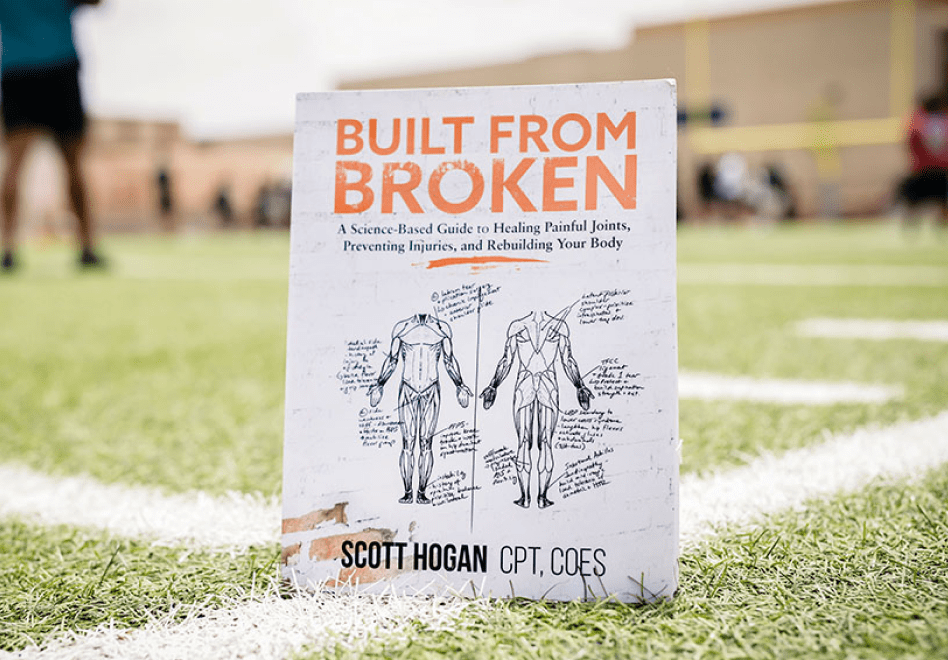
Built from Broken
Get the best-selling book from SaltWrap founder, Scott Hogan, and start rebuilding today.
3 Simple Solutions for Getting Out of a Workout Plateau

By Chris Dempers, ASCM-EP®, MES
It happens to every athlete eventually: Your workouts start to feel repetitive, your motivation dips, and your progress has slowed or stalled compared to just a few weeks before.
Nobody likes feeling stuck in a workout plateau. The good news is that with a few small changes, you can reset and start building momentum again. In fact, you may start seeing even better results.
Here are three simple solutions for getting out of a workout plateau.

What Causes a Workout Plateau?
Workout plateaus typically occur when the body becomes accustomed to the same stressors after a period of time without any variability.
In plain English, your body gets used to your routine.
Same weight, same number of sets, same amount of reps, and likely on the same day of the week. We are creatures of habit. And while that’s not necessarily a bad
thing, it’s how plateaus can quietly sneak up on us.
Before long, you realize you aren’t progressing. Plus, you might be getting bored with the same old workout.
So, what do we do about this?
3 Simple Solutions for Getting Out of a Workout Plateau
Based on my experience working with clients as a Medical Exercise Specialist, here are the three best ways to break through a workout plateau:
Change Just One Part of Your Routine
Try a new class, swap cardio for strength training, or simply take a different walking or running route. Even a small change can make exercise feel fresh again.
Making small adjustments is one of the simplest and most reliable ways to breathe new life into your workouts.
You might be thinking these options won’t work for me because of timing. Or maybe you don’t want to give up lifting because you absolutely hate cardio. Or maybe you just don’t like running.
That’s all fair. But making changes to your routine is important for correcting imbalances, helping your body make progress, and avoiding overuse injuries.
For instance, if your main goal is to build strength, addressing muscle imbalances can help deliver better outcomes. If you are big into lifting and want to keep moving up in terms of progressive overload, you might not realize that muscle imbalances are quietly slowing or hindering your progress.
Taking time to focus on stabilizing muscles will aid muscle activation during the gross motor movements you are already performing.
As creatures of habit, it’s easy for our bodies to get accustomed to doing the same things repeatedly — without meaningful progress.
We have all seen people like this at the gym: They do the same exercises all the time and as a result, they look the same. If you are happy with those results, then keep at it if you enjoy it. But if you are looking to progress, then it’s time to shake things up and try some new exercises.
If you are a beginner at the gym, you will want to stick with a routine for a longer period because your body is still getting accustomed to the exercises. However, if you’re not a beginner, then it’s good to change things up every 4-8 weeks.
More experienced lifters and athletes may consider changing routines every 3-6 weeks because they are more in tune with their motor movements and need to be challenged in different methods to help decrease the risk of injuries in competition.
This idea doesn’t just apply to elite athletes. Changing things up is a great way to help avoid overuse injuries. As we age, it is best to keep the entire body moving to avoid overuse injuries.
For instance, I enjoy doing home renovations these days. Since I’m using my arms and forearms all day, it’s probably best that I focus less on high-repetition exercise that will tax these muscle groups.
If I don’t, then I run the risk of developing some sort of epicondylitis or similar overuse injury, which will only become further irritated while I am working, and the nagging injury cycle will begin.
Instead, I should focus on exercises that help recover the overused muscles and help build up the stabilizing muscles to help ensure I avoid the overuse injuries.
Set One Short-Term Goal
Give yourself something specific to work toward, like completing three workouts this week or adding five more minutes to your session. Clear, manageable goals make it easier to stay motivated.
The reason why we suggest short-term goals is to add some instant gratification to the workout. Being stuck in a rut can be frustrating and can start causing stress to your workouts. The last thing you want to do is be stressed trying to get your workout in.
Exercise is one of the best ways to decrease daily stress. The last thing you need is to have a bad workout — or series of them — adding stress to your day.
If you are an avid fitness enthusiast, then you’ve certainly had days where everything feels heavier than it should, and you leave the gym feeling defeated. This is a telltale sign of burnout. And this is where setting short-term goals comes into play.
Bring some life back to your workouts. Unless you are a high-level athlete on a very strict periodization training program, it’s time to have fun with the workouts again.
For instance, you might consider adding time limits to your lifting session to help keep you more motivated and even add a layer of cardio to your lifts.
Try lowering the weight and see how many reps you can do in the allotted time. Or you might consider trying a bodyweight circuit workout for a few weeks to give your muscles a break from constant overload.
For runners, you might want to keep the same running path but run for time instead of distance.
The goal here should be to get out of your comfort zone for a little bit.
Remember, these short-term goals are exactly that: short-term. They do not require too much planning and should be kept as simple as possible.
Prioritize Recovery
Sometimes a plateau or a rut is really a sign of burnout. Try adding an extra rest day. Or take a week off.
Yes, a week.
This will give you some freedom to clear up your schedule and maybe get a few other things done that you have been putting off due to your strict workout schedule.
Your brain and muscles will thank you for this time.
A week off allows your central nervous system time to repair all the connective tissue and replenish your energy stores. It can also help prevent nagging overuse injuries from popping up or getting worse.
If you do take a week off, remember to prioritize nutrition. Don’t treat it as an opportunity to throw proper diet and sleep patterns to the wind.
It’s also important to continue with active recovery exercises like walking and stretching to keep your body moving.
Putting It All Together
Nobody likes getting stuck in a plateau. But just as with most things in life, it’s often better to find ways to walk around a wall rather than try to run through it.
So, next time you start seeing those signs of plateau or burnout, don’t get frustrated.
Devise a game plan instead.
Try making a small but significant change to your normal routine. Or try setting one short-term goal to breathe new life into your workouts.
If changing things up doesn’t fix the problem, then it’s time to listen to your body and prioritize recovery. Take an extra day off between workouts. Or, even better, give yourself a full week off from the gym.
Just remember to keep your nutrition and sleep on point so that you can hit the ground running on Monday.
Chris Dempers, ASCM-EP®, MES
Chris Dempers, ASCM-EP®, MES, runs the health and fitness department for a South Florida hospital chain that specializes in medical fitness. His specialties include orthopedic injuries, fall prevention and balance with aging populations, and fitness protocols for Parkinson’s patients.
Chris is a founding member of SaltWrap's Clinical Advisory Board.