
Be built (to last).
The right supplements can help you recover naturally and build a resilient body.
Supplement Quiz
Take this short quiz to discover the perfect supplements for your needs and goals.
About SaltWrap
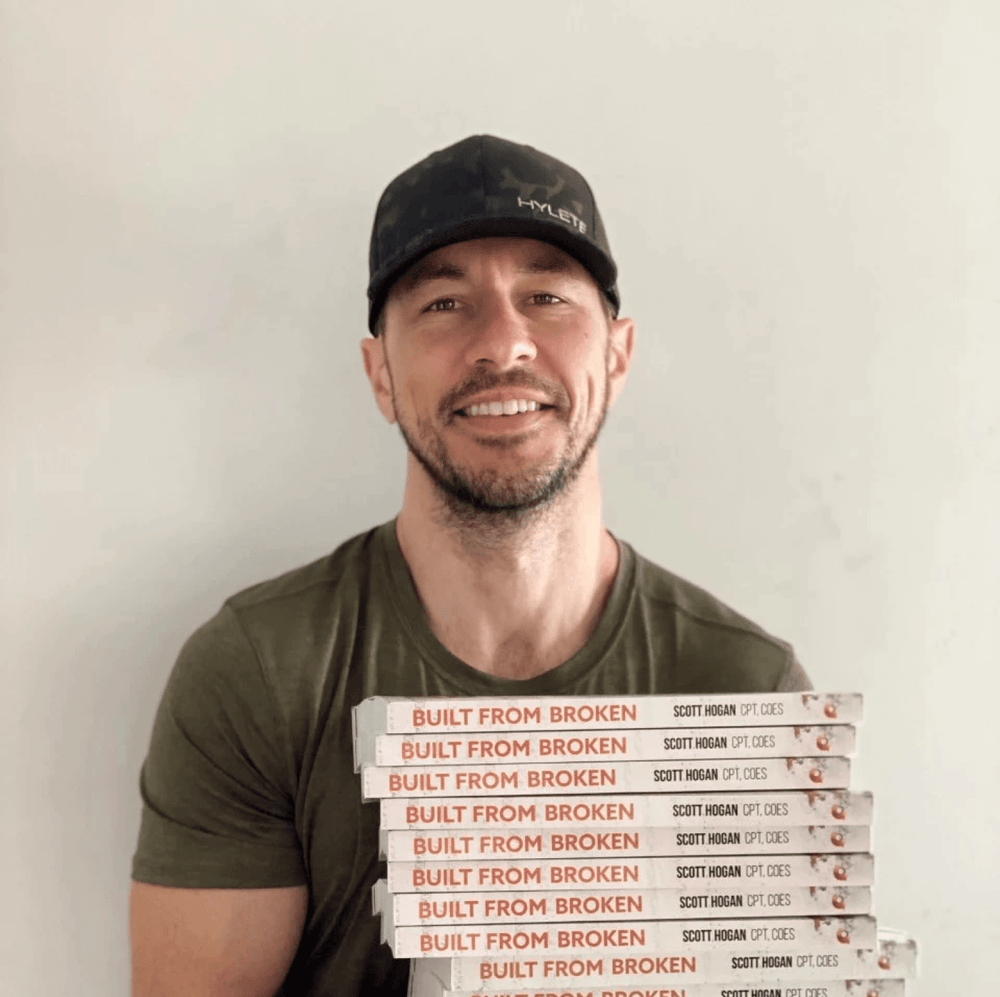
Built from Broken
Get the best-selling book from SaltWrap founder, Scott Hogan, and start rebuilding today.
What Is Hot Water Immersion Therapy?
By Alaina Curry, DPT
I recently had the pleasure of traveling to Japan. While I was there, I was fortunate to experience its natural beauty, including its famous hot springs.
(If you’ve never experienced a hot spring before, they’re located all over the world, and this blog might be your sign to visit one.)
While traveling through Japan, I summited Mt. Fuji with my dad and sister. By the time we made it back down the mountain, our legs were sore. Our bodies felt tired and stiff. Fortunately, we stayed at an onsen (a Japanese hot spring) hotel near Mt. Fuji the next day.
The onsen felt like it melted away my physical exhaustion, easing the soreness and stiffness in my body. The sounds and views of nature helped me sink into an even deeper relaxation than I’ve ever experienced in a regular hot tub.
I felt like the whole environment made it easier for my mind and body to recover.
That experience got me thinking about the recovery benefits of heated hydrotherapy, or hot water immersion (HWI) therapy, and how this longstanding Japanese tradition connects to the heat therapy we use today.
Since I’ve returned home, I’m finding myself in a hot tub more often after hard workouts or runs, or when it’s time to wind down in the evening.
Cold plunges have been getting all the hype lately, but let’s not forget what a warm-water soak can offer our bodies.
What Is an Onsen?
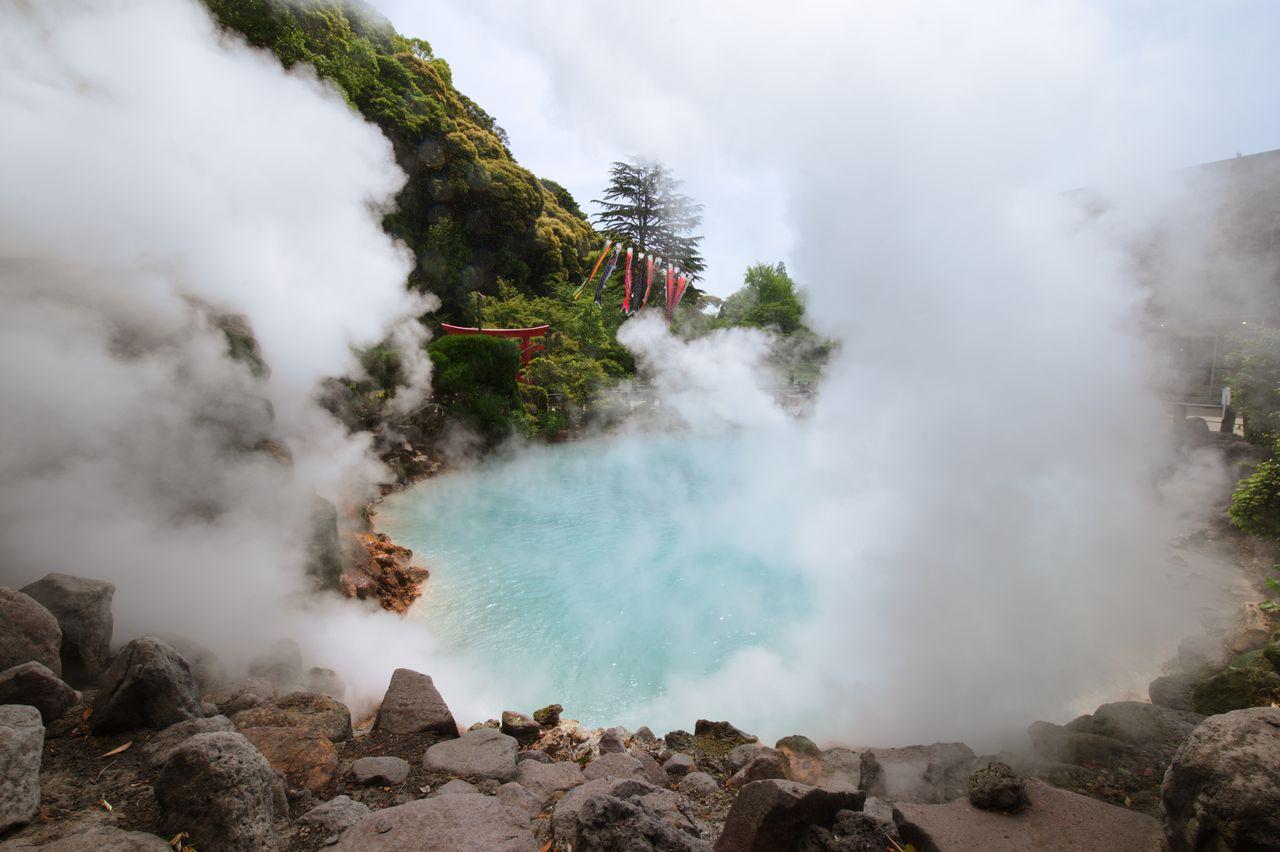
In Japan, a natural hot spring is called an onsen. Its water is heated deep within the earth and contains minerals that vary from spring to spring. Some baths are located indoors, while others are outside and surrounded by nature.
Onsen bathing is an ancient Japanese tradition that focuses on rest and healing.
One of our guides spoke with such delight about how she visits different onsens with her family to recover and relax. In Japan, it’s not uncommon to spend a week-long vacation at the hot springs rather than just a day trip. In fact, hot spring recovery is traditionally measured in weeks, with a full seven days counting as one round of treatment.
As a physical therapist who is always advocating that we should spend more time on recovery, that really stuck with me. I admire the idea of giving recovery its own time and space.
My onsen experience made me curious about both sides of recovery.
That is, what does the warm water do for healing our bodies, and what happens when we give ourselves time to enjoy it?
What Are the Benefits of Hot Water Immersion?
My onsen experience personally made me feel wonderful and well-recovered after hiking. This is not exactly surprising given the sheer amount of reported anecdotal benefits.
Proponents of onsen say it can help with everything from sleep and exercise recovery to easing stiffness and improving heart health.
Let’s take a look at some of these claims.
Cardiovascular and Circulatory Health
Many physiological changes happen when we soak in warm water. Our blood vessels dilate, which enhances blood flow and circulation. This helps release heat as our body works to cool us off. Depending on how long we’re immersed and how hot the water is, our heart rate may rise too.
That last bit is especially interesting and beneficial.
In fact, researchers at the University of Western Australia recently studied the effects of HWI on 25 overweight adults aged 45-70. Each participant completed two different interventions at random, 72 hours apart.
The first intervention was moderate-intensity cycling at 60-70% of the maximum heart rate for 30 minutes. (What many would consider a typical cardio workout.)
The second intervention was chest-deep HWI at 104°F for 30 minutes.
They found that the HWI intervention didn’t just produce an “exercise-like” stimulus in the participants. It produced significant improvements in blood vessel diameter, blood flow, and blood velocity.
In other words, 30 minutes of HWI was more beneficial for vasodilation and other vascular health-promoting effects, including blood pressure reduction, than 30 minutes of moderate cardio.
Now, as the authors point out, these results do not suggest that HWI can or should replace exercise.
However, these results are especially meaningful considering that about 31% of adults don’t meet minimum physical activity guidelines.1 That doesn’t even begin to take into consideration the potential use cases for people who are recovering from acute injuries or aren’t otherwise medically cleared for cycling or similar cardiovascular exercise.
Plus, this study is not the first of its kind.
Other studies on HWI have reported similar outcomes in terms of effects on blood pressure, endothelial (the cells lining your blood vessels) function, and arterial stiffness. And much of this research was performed on sedentary individuals. That means the results couldn’t be conflated with exercise.2
On that last point, it’s worth noting that HWI and exercise aren’t in competition when it comes to conferring these benefits.
In fact, research shows that using HWI post-exercise further improves blood pressure and blood vessel function — but without improving cardiorespiratory fitness.3
So, you still need to exercise for maximum health benefits. But HWI offers similar proven benefits, can enhance the benefits of the exercise you already do, and, most importantly, can act as a stand-in for exercise in people who can’t.
Pain and Stiffness
Soaking in warm water can feel like such a relief when your body is sore and stiff. For me, that was especially noticeable after hiking Mt. Fuji. The warmth felt soothing, and my legs felt more comfortable.
The water itself offers support, too. Simply sitting in the water takes some of the load off our joints. We don’t have to bear our full body weight in water the way we do on land.
That buoyancy support can make movement feel easier. Something as simple as bending a sore or painful joint may feel more manageable in water. This is just one reason HWI can be a useful tool in physical therapy to perform active movement that is less painful, or even pain-free.
I personally used this method of rehabilitation when working through an acute disc injury in my lower back. Regardless of temperature, the alleviated weight in water significantly eased my pain. It let me move my body with ease when I otherwise couldn't.
Studies also show that various forms of heat therapy can have an analgesic effect on nerves and reduce muscle soreness after exercise.4 It stands to reason that while buoyancy reduces the load on our joints, warm water can also help ease pain and stiffness.
Together, they can create a more comfortable environment for movement, which can be especially beneficial for those dealing with an injury or arthritis.
Sleep
A warm bath an hour or two before bed may not only help us fall asleep faster, but also improve our overall sleep quality.
A study of over 1,000 seniors found that something as simple as a hot bath about an hour before bed significantly shortened how long it took them to fall asleep.5
Interestingly, this may have more to do with the cooling that happens to our bodies after HWI than sitting in warm water. Warming the skin helps the body release heat, which supports the drop in core temperature that normally happens as we prepare for sleep.
This is a major benefit in itself because sleep is such an important part of recovery.
I was able to enjoy the onsen in the morning and in the evening while in Japan. Despite my jet lag and exhaustion, I slept like a baby after soaking in the onsen before bed.
The next time you’re feeling sore and stiff from a workout, try relaxing in a warm bath, hot tub, or, if you can, a hot spring close to bedtime. See if you feel a difference in your sleep quality and how your body feels the next morning.
Give Recovery Its Own Time
Beyond the physical relief, I left Japan thinking about how I approach recovery.
There is some research suggesting that warm-water bathing may subjectively help with stress and fatigue, although the evidence is still limited.
There are still questions as to how much of the benefit comes from the warm temperature, being immersed in water, or simply taking that time to rest.
But I believe in the saying, “you get what you put in.” And if you know me well, you know I believe mindset can be powerful.
Not to mention, I had a much different experience relaxing and recovering in a Japanese onsen than when I typically try to relax in the hot tub or sauna at the gym.
In the onsen, I was able to focus only on enjoying the hot spring — and nothing else. At the gym, I sometimes tend to treat my recovery time, whatever it may be, as a chore or task that needs to get done.
I felt that the onsen setting contributed to this improved mindset.
The soothing warmth and the beautiful surrounding nature allowed me to just enjoy the experience of this longstanding Japanese tradition.
There was no rushing to get out and move on to the next task. As I settled into the blissful onsen, typical worries felt less pressing. I felt like I was giving my mind a break along with my body.
Stress can be self-limiting. It’s also tough to measure empirically.
Most stress-related studies rely on questionnaires and subjective reporting. This makes it somewhat difficult to get science-backed data on the biomechanical effects of using an onsen or other HWI for relaxation.
As a physical therapist, I’m always encouraging people to make time for recovery. But as I said, I’ve been guilty of treating recovery like something I must “squeeze in” after a workout so I can hopefully get through the next one more easily. Or push a little harder next time.
However, I believe when your mind is focused on enjoying the relaxation effects, you will automatically let go of at least some stress and worry.
You will not only give your body the physical break it needs, but your mind will rest, too.
Putting It All Together
I truly admire the care and respect surrounding the traditions of onsen bathing in Japan. It makes me appreciate the idea of giving recovery its own dedicated time and space.
I’ve also started to incorporate this outlook into my own recovery. Now I deliberately set aside time to relax, whether I’m soaking in the hot tub or doing some light mobility work that feels good.
So, if you’re an active person who feels like there’s never enough time for ample recovery, I implore you to make the time. And try to enjoy every moment of it while you do.
You don’t need to travel to Japan or look for a local hot spring. But if you have access to a hot tub, Jacuzzi, or just a comfortable bath, I suggest you give HWI a try.
Many of the available studies of HWI kept the water temperature around 104°F. So, the water should be hot, but not scalding.
Try to keep it at this temperature and stay submerged up to your chest for about 30 minutes. If you are interested in the sleep benefits, try to do this about an hour before your normal bedtime.
Do this consistently at least a few times a week, and I’m sure you’ll notice recovery benefits.
If nothing else, know that you’re giving your mind and body dedicated time to relax and unwind. And that alone can play a major role in how we recover.
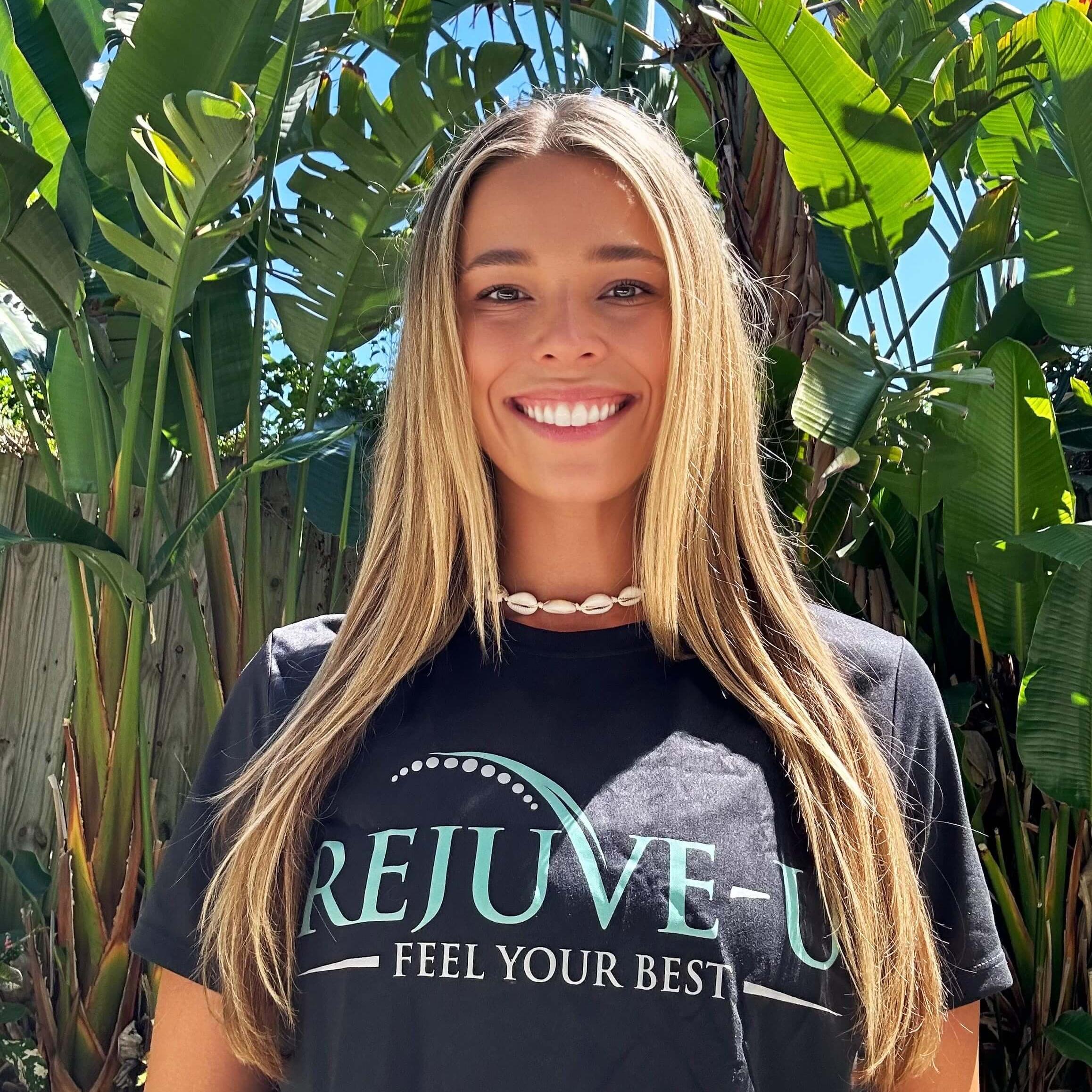
Alaina Curry, DPT, CSCS
Alaina Curry is a founding member of SaltWrap's Clinical Advisory Board and one of South Florida’s most in-demand physical therapists.
A lifelong athlete and former NCAA All-American in Women’s Soccer, she became a Certified Strength and Conditioning Specialist to help athletes of all ages come back stronger – and unlock peak performance – after injuries.
Today, Alaina treats a diverse clientele wanting to lead an active, pain-free lifestyle. If you’re interested in becoming a potential client, go here now to learn more.